
Living with dyshidrotic eczema can be tough, especially with its itchy and painful symptoms. It’s a skin condition that not only affects your day-to-day comfort but can also make simple tasks feel like challenges. For many, finding the right cream can make a real difference. Let’s explore this condition, common treatment approaches, and how gentle, supportive skincare can play a role in managing symptoms.
Who this page is for
This page is most helpful if you are dealing with recurring itchy or blister-like eczema on the hands or feet, especially if your skin reacts easily to fragrance, strong creams, or frequent washing. It is designed for people looking for gentle, supportive care alongside a better understanding of their condition.
What is Dyshidrotic Eczema?
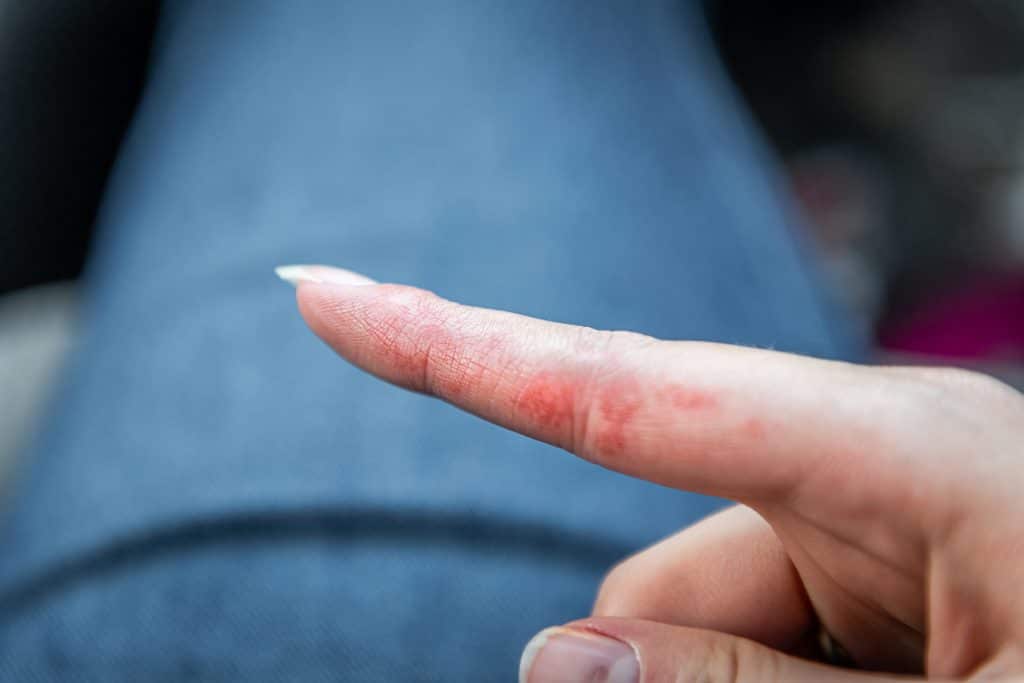
Dyshidrotic eczema is a type of eczema that primarily affects the hands and feet. It often appears as tiny, fluid-filled blisters that can cause intense itching and irritation. In severe cases, these blisters may even crack, leading to painful sores and skin peeling.
Triggers for this condition can vary widely. It might flare up due to stress, certain allergens, or even weather changes. The daily discomfort caused by dyshidrotic eczema can impact productivity and quality of life, particularly when it’s left untreated.
This page focuses on treatment options, but you can read our full overview of dyshidrotic eczema, including causes, symptoms, and how it differs from other types of hand and foot eczema.
For detailed insights into the condition, check out this complete guide here.
Understanding the Symptoms of Dyshidrotic Eczema
The symptoms are often hard to ignore. They include:
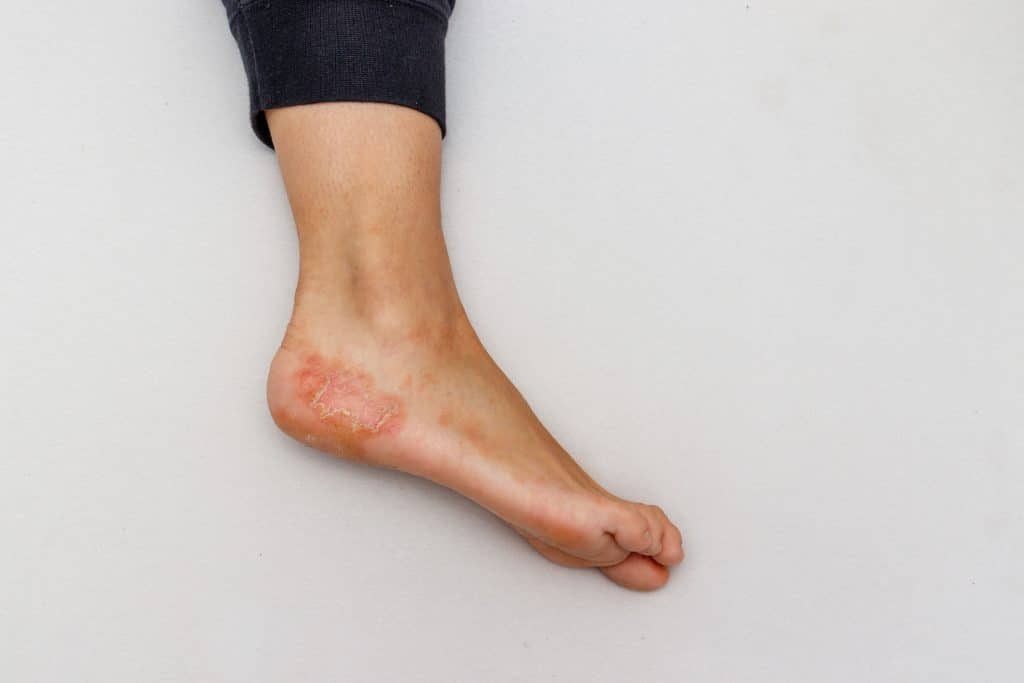
- Itchy, fluid-filled blisters: Typically found on the fingers, palms, or soles.
- Inflammation and redness: Adding to the discomfort and sensitivity.
- Skin flaking and cracking: Especially once the blisters heal, leaving behind damaged skin.
These symptoms can worsen if scratched, emphasising the need for an effective treatment plan.
Common Causes and Triggers
Though the exact cause of dyshidrotic eczema isn’t fully understood, several factors can contribute:
- Stress: Emotional or physical stress can lead to flareups.
- Allergens: Nickel, cobalt, and certain household or cosmetic products.
- Environmental factors: Warm, humid conditions can aggravate symptoms.
- Family history: A genetic predisposition may increase your likelihood of developing eczema.
How Dyshidrotic Eczema Treatment Creams Work
Treatment creams offer relief by targeting the source of discomfort. They work by:
- Hydrating dry, damaged skin: Reducing flaking and cracking.
- Soothing irritation: Calming the redness and itchiness.
- Repairing the skin barrier: Giving your skin the chance to heal and regenerate.
Selecting a high-quality cream is essential. A suitable product can help manage symptoms and may reduce how often skin feels irritated.
What often helps — and what can make things worse
Many people with dyshidrotic eczema notice improvement when they focus on protecting the skin barrier rather than aggressively treating flare-ups.
What often helps:
- Consistent use of fragrance-free, barrier-supporting creams
- Gentle cleansing and thorough moisturising after washing
- Avoiding frequent product switching
- Reducing exposure to known irritants and allergens
What can make symptoms worse:
- Strongly fragranced creams or soaps
- Harsh exfoliation or scrubbing
- Over-washing or drying alcohol-based products
- Chasing “instant fixes” rather than steady care
Ingredients That Make a Difference
Certain ingredients can deliver powerful results for managing dyshidrotic eczema symptoms:
- Corticosteroids: Effective in reducing inflammation and itchiness.
- Humectants: Such as glycerin, to attract moisture into the skin.
- Anti-inflammatory agents: For calming irritation and redness.
Snail Mucin: A Natural Remedy
Snail mucin has been used for centuries to treat skin conditions. Packed with healing compounds like glycolic acid, hyaluronic acid, and allantoin, this natural ingredient stands out.
- Glycolic acid: Exfoliates and removes dead skin cells, promoting healthier skin turnover.
- Hyaluronic acid: Deeply hydrates the skin, maintaining moisture.
- Allantoin: Speeds up tissue repair and soothes irritation.
With its proven skin-repairing properties, snail mucin has become a valued ingredient in many eczema creams.
What to expect from a suitable treatment cream
Creams designed for dyshidrotic eczema are intended to support the skin, not cure the condition overnight. Most people notice benefits gradually with consistent use, such as reduced itching, improved comfort, and better skin resilience.
If symptoms are severe, infected, or not improving, medical advice should always be sought. Supportive skincare works best as part of a calm, consistent routine.
Why Some People Choose Bragan Skincare’s Atopic Cream
When managing dyshidrotic eczema, many people are not looking for a quick fix. Instead, they want a cream that feels comfortable on reactive skin and supports the skin barrier over time.
Bragan Skincare’s Atopic Cream was developed with this in mind. It is designed for people whose skin struggles with dryness, irritation, or sensitivity — particularly during eczema flare-ups — and who need a gentle, fragrance-free option they can use consistently.
Rather than masking symptoms, the focus is on supporting the skin’s natural repair process and helping it stay hydrated and resilient.
A gentle, barrier-supporting approach
Dyshidrotic eczema often involves a weakened skin barrier. When this barrier is compromised, moisture escapes more easily and irritation becomes more likely.
Atopic Cream is formulated to:
- Help maintain moisture in dry, damaged skin
- Reduce feelings of tightness and discomfort
- Support the skin barrier during flare-ups and recovery
This type of supportive care can be especially helpful for skin that reacts poorly to stronger or heavily fragranced products.
Thoughtfully chosen ingredients for sensitive skin
The formulation avoids unnecessary fragrance and harsh additives, making it suitable for sensitive and eczema-prone skin.
Ingredients such as snail mucin are included for their skin-conditioning properties. Snail mucin is known for helping to support hydration and skin repair, which can be beneficial when the skin is under stress from repeated flare-ups.
As with any skincare product, individual responses can vary, but many people prefer gentle formulations that prioritise comfort and tolerance over intensity.
Some people prefer to avoid long-term steroid use, especially on sensitive skin. For this reason, many choose gentle, non-steroidal creams as part of ongoing care.
How it fits into a broader care routine
A moisturising cream alone will not cure dyshidrotic eczema. However, used consistently alongside trigger avoidance and gentle skin care habits, a supportive cream can play an important role in improving day-to-day comfort.
If symptoms are severe, worsening, or not improving, it’s always important to seek medical advice. Supportive skincare works best as part of a calm, consistent routine rather than as a stand-alone solution.
Tips for Using Dyshidrotic Eczema Cream Effectively
Using your dyshidrotic eczema treatment cream properly can enhance results. Below are some simple steps:
Prepping Your Skin
- Cleanse gently: Use mild, fragrance-free soap to avoid irritation.
- Pat dry: Ensure skin is completely dry before applying the cream.
Dos and Don’ts
- Do: Apply regularly for ongoing relief and protection.
- Do: Follow product instructions for optimal use.
- Don’t: Use on broken or infected skin without your dermatologist’s guidance.
- Don’t: Skip applications, especially during flare-ups.
Conclusion: Dyshidrotic Eczema Treatment Cream
Dyshidrotic eczema can be challenging to live with, particularly when flare-ups affect the hands or feet. While there is no instant solution, gentle, consistent care plays an important role in supporting the skin and improving comfort over time. Many people find that using a fragrance-free, barrier-supporting cream as part of a calm routine helps reduce irritation and dryness during flare-ups.
For those looking for a gentle, fragrance-free option, this is the cream discussed above.

Atopic Cream for Eczema, Psoriasis & Dermatitis | Fragrance-Free Barrier Care
Price range: €39.99 through €100.00
Living with eczema, psoriasis, sensitive skin or dermatitis means your skin needs calm, consistent support — not harsh treatments.
Bragan Skincare’s Atopic Cream is a fragrance-free, steroid-free barrier cream designed to soothe dry, itchy, irritation-prone skin while supporting long-term skin comfort.
How to use:
Apply a thin layer to clean, dry skin once or twice daily. Massage gently until absorbed. Use consistently for best results.
Allergy notice:
Contains snail mucin. If you have a shellfish allergy, avoid use and patch test before wider application.
Stock up & save:
Choose a larger size or add multiple items to your basket for better value.
Fragrance-free • Steroid-free • Suitable for face & body
https://braganskincare.com/dyshidrotic-eczema-causes-symptoms-and-effective-treatments