
Eczema is one of the most common skin conditions in babies. Spotting the signs of eczema in babies early can make a real difference. However, for parents, recognising it early can feel confusing and stressful.
Many babies develop dry or red skin in the first months of life. Sometimes this is a normal adjustment to life outside the womb. Other times, it is the early signs of infant eczema.
Understanding the difference matters. Early care can help protect the skin barrier, reduce discomfort, and lower the risk of repeated flare-ups later in childhood.
This guide explains what infant eczema is, how to recognise the early signs, why it develops, and how to support baby skin gently and safely.
Fast answer: Early signs of eczema in babies
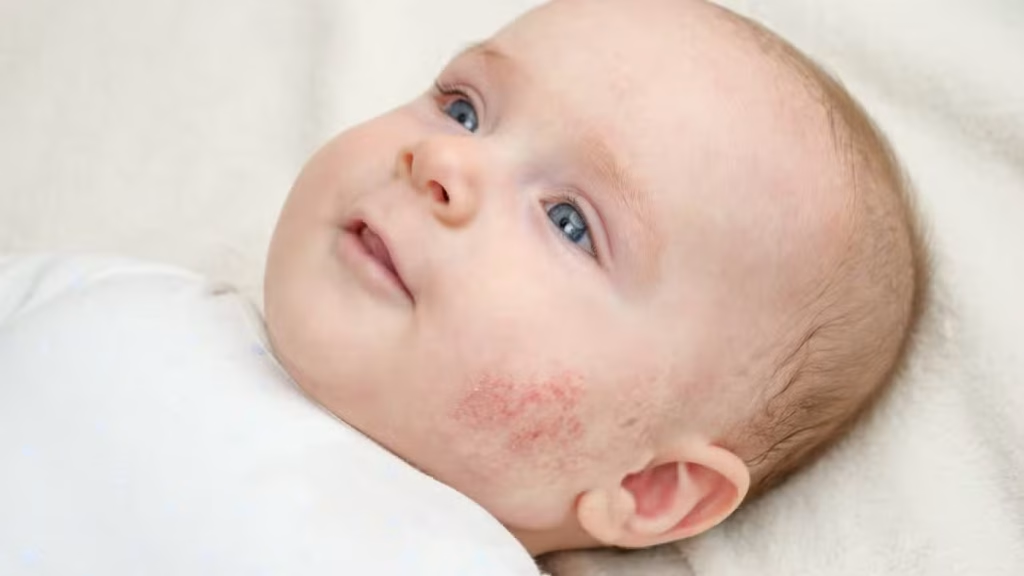
The early signs of eczema in babies usually include dry, rough patches of skin, redness that does not fade, mild flaking, and skin that feels tight or irritated. Eczema often appears on the cheeks, face, scalp, or in skin folds, and babies may seem itchy, unsettled, or rub their skin, especially at night. Early gentle skin care can help protect the skin barrier and reduce flare-ups.
- Dry or rough skin patches
- Redness that doesn’t fade
- Flaking or scaling
- Itchy or unsettled behaviour
- Cheek or skin-fold irritation

What Is Infant Eczema?
Infant eczema, also known as atopic dermatitis, is a chronic inflammatory skin condition that commonly affects babies and young children.
It causes the skin to become:
- Dry
- Red
- Itchy
- Easily irritated
- Highly sensitive to everyday triggers
Eczema is not contagious. It is not caused by poor hygiene or anything a parent has done wrong. Instead, it develops because the skin’s natural protective barrier does not function as effectively as it should.
Babies with eczema lose moisture from their skin more easily. This allows irritants to enter the skin and trigger inflammation.
Parents who want a deeper understanding of barrier disruption may find it helpful to read how to treat sensitive skin, as the same skin-barrier principles apply across all ages.
When Does Infant Eczema Usually Start?
Infant eczema most commonly appears:
- Between 2 and 6 months of age
- Sometimes earlier in newborns
- Occasionally later in the first year
It rarely appears overnight. Many parents first notice subtle dryness or redness before clear eczema patches develop.
Symptoms often follow a pattern of flare-ups and calmer periods. Weather changes, illness, teething, and growth spurts can all influence the skin.
Early Signs of Eczema in Babies
Recognising eczema early allows parents to support the skin barrier before inflammation becomes more severe.
Common Early Symptoms
Early signs of infant eczema may include:
- Dry, rough patches of skin
- Redness that does not settle
- Fine flaking or scaling
- Skin that feels tight or uncomfortable
- Increased sensitivity to touch
- Fussiness during bathing or dressing
Itching is often present even before redness becomes obvious. Because babies cannot explain discomfort, behaviour changes are often the first clue.
Where Infant Eczema Commonly Appears
Eczema in babies tends to affect specific areas:
- Cheeks and around the mouth
- Scalp
- Behind the ears
- Neck folds
- Arms and legs
- Elbows and knees
The nappy area is usually unaffected.
Infant Eczema vs Normal Baby Skin
Not all dry or red skin in babies is eczema.
Normal Baby Skin
- Improves quickly with gentle moisturising
- Appears evenly textured
- Settles without repeated flare-ups
Eczema-Prone Skin
- Persists or worsens over time
- Feels rough or inflamed
- Reacts strongly to soaps, fabrics, or temperature changes
- Returns repeatedly despite basic care
If dryness does not improve within a few weeks of consistent gentle care, eczema may be developing.
What Causes Eczema in Babies?
Infant eczema develops due to a combination of factors rather than a single cause.
1. A Weakened Skin Barrier
Healthy skin acts as a barrier, keeping moisture in and irritants out. In babies with eczema, this barrier is compromised.
As a result:
- Moisture escapes easily
- Skin becomes dry and fragile
- Irritants penetrate more easily
- Inflammation increases
Supporting the skin barrier is the foundation of eczema care at every age.
2. Genetic Predisposition
Babies are more likely to develop eczema if close family members have:
- Eczema
- Asthma
- Hay fever
- Allergies
This inherited tendency affects how the immune system responds to environmental triggers.
3. Environmental Triggers
Common triggers for infant eczema include:
- Fragranced baby products
- Soaps and bubble baths
- Laundry detergents
- Rough or synthetic fabrics
- Overheating
- Cold, dry air
Reducing exposure to triggers can significantly reduce flare-ups.
Is Infant Eczema Itchy?
Yes.
Even mild eczema can be intensely itchy.
Babies may:
- Rub their face against bedding
- Scratch with their hands
- Become unsettled, especially at night
- Have disrupted sleep
Managing itch early helps protect the skin barrier and reduces the risk of infection.
Is Infant Eczema Serious?
In most cases, infant eczema is manageable with gentle, consistent care. However, untreated eczema can worsen over time.
Trusted advice from the NHS and the HSE emphasises early skin-barrier support and appropriate treatment when needed.
Why Early Care Matters
Early eczema care focuses on:
- Strengthening the skin barrier
- Reducing inflammation
- Minimising triggers
- Supporting long-term skin health
Babies who receive early, gentle care often experience fewer and milder flare-ups as they grow.
How to Care for Baby Skin with Eczema
Infant eczema cannot be cured, but it can be managed very effectively with gentle, consistent skin care.
The goal of daily care is not to “treat” eczema aggressively, but to:
- Strengthen the skin barrier
- Reduce irritation
- Minimise triggers
- Keep the skin calm and comfortable
Parents who understand this early often see fewer flare-ups and less severe symptoms over time.
Daily Skin Care Routine for Infant Eczema
A simple routine works best.
Over complicating care often leads to irritation.
Morning Care
In the morning:
- Gently cleanse only if needed
- Apply a fragrance-free moisturiser
- Dress baby in soft, breathable clothing
Daytime Care
During the day:
- Reapply moisturiser to dry areas
- Keep baby cool and comfortable
- Avoid overheating
- Watch for early signs of irritation
Babies with eczema may react quickly to heat, sweat, or friction. Responding early can prevent a flare.
Evening Care
In the evening:
- Bathe only if needed
- Use lukewarm water
- Keep baths short
- Apply moisturiser immediately after bathing
This helps lock moisture into the skin while it is still damp.
Bathing a Baby with Eczema
Bathing is one of the most misunderstood aspects of eczema care.
How Often Should You Bathe?
There is no single rule.
Some babies tolerate daily baths well, while others do better with less frequent washing.
What matters most is:
- Water temperature
- Product choice
- Moisturising immediately afterwards
Best Bathing Practices
For babies with eczema:
- Use lukewarm, not hot, water
- Limit bath time to 5–10 minutes
- Avoid bubble baths
- Do not scrub the skin
- Pat dry gently with a soft towel
Harsh washing strips the skin of natural oils and worsens dryness.
Cleansers: What to Use and Avoid
Choose cleansers that are:
- Fragrance-free
- Soap-free
- Designed for sensitive or atopic skin
Avoid:
- Standard soaps
- Scented baby washes
- Products with essential oils
Many parents find it helpful to understand how fragranced products affect the skin barrier by reading about fragrance-free moisturisers and why they matter for eczema-prone skin.
Moisturising: The Most Important Step
Moisturising is the foundation of infant eczema care.
Even when eczema looks mild, moisturising:
- Supports the skin barrier
- Reduces dryness
- Helps calm inflammation
- Lowers itch intensity
How Often Should You Moisturise?
For babies with eczema:
- Apply moisturiser at least twice daily
- Reapply to visibly dry areas as needed
- Increase frequency during flares
Consistency matters more than product switching.
What to Look for in a Baby Eczema Cream
A suitable cream for infant eczema should:
- Be fragrance-free
- Be gentle enough for daily use
- Support the skin barrier
- Not sting on application
Ingredients that help support hydration and comfort are often better tolerated by eczema-prone skin.
Parents exploring moisturisers for eczema often read more about infant eczema creams to understand which formulations suit delicate baby skin.
Ingredients That May Help Infant Eczema
Some ingredients commonly used in barrier-supporting creams include:
- Humectants that attract moisture
- Soothing agents that calm irritation
- Skin-conditioning compounds
Snail mucin, for example, is widely recognised for supporting hydration and skin comfort, making it suitable for sensitive and eczema-prone skin.
Ingredients to Avoid in Infant Eczema Care
Some ingredients frequently worsen eczema symptoms.
Avoid products containing:
- Artificial fragrance or perfume
- Essential oils
- Alcohol-heavy formulations
- Strong preservatives
- Exfoliating acids
Even products marketed as “natural” can irritate sensitive baby skin.
Clothing and Fabrics Matter
What touches your baby’s skin all day matters as much as what you apply to it.
Best Clothing Choices
- Soft cotton fabrics
- Loose-fitting clothes
- Breathable layers
Avoid
- Wool
- Synthetic fabrics
- Tight seams or labels
- Over-layering
Friction and heat are common eczema triggers.
Environmental Triggers to Watch For
Infant eczema is often influenced by the environment.
Common triggers include:
- Dry indoor air
- Sudden temperature changes
- Detergent residue on clothing
- Household fragrances
- Pet dander
Identifying the early signs of eczema in babies takes time. Keeping routines simple helps pinpoint what affects your baby’s skin.
Common Mistakes Parents Make
Many well-intentioned actions can worsen eczema.
Common mistakes include:
- Switching products too often
- Over-bathing
- Scrubbing dry patches
- Using adult treatments
- Trying multiple remedies at once
Eczema responds best to calm, consistent care.
When Daily Care Is Not Enough
Sometimes, gentle care alone is not sufficient.
You should seek medical advice if:
- Skin becomes very inflamed
- Eczema spreads rapidly
- Skin weeps, crusts, or bleeds
- Baby is extremely unsettled
- Sleep is severely disrupted
How Infant Eczema Fits into Sensitive Skin Later in Life
Babies with eczema often grow into children with sensitive skin.
Understanding barrier care early can help manage:
- Dryness
- Reactivity
- Flare-ups later in childhood
Parents interested in long-term skin health may benefit from learning more about sensitive skin care routines beyond infancy.
Medical Treatment and When to See a Doctor
For many babies, gentle daily care is enough to keep eczema under control.
However, some babies require medical treatment, especially during flare-ups.
Medical treatment does not replace skin care.
Instead, it works alongside moisturising and trigger management.
Topical Steroids: What Parents Need to Know
Topical steroids are sometimes prescribed to:
- Reduce inflammation
- Calm redness
- Relieve itching
When used correctly and for short periods, they are considered safe for babies.
Important points for parents:
- Use only as prescribed
- Apply thinly
- Use for the recommended duration
- Continue moisturising alongside treatment
Steroids are typically used during flares and then stopped once symptoms improve.
Trusted guidance from the NHS explains how topical steroids are used safely in infants.
Non-Steroid Prescription Treatments
In some cases, doctors may recommend non-steroid treatments to manage eczema.
These are usually considered:
- When eczema is persistent
- If steroid use needs to be limited
- In sensitive areas such as the face
Medical advice is always required before using prescription treatments.
Infection Risk in Infant Eczema
Eczema-prone skin is more vulnerable to infection because the skin barrier is compromised.
Signs of Infection to Watch For
Seek medical advice if you notice:
- Yellow or golden crusting
- Oozing or weeping skin
- Rapid worsening of redness
- Swelling
- Fever or unusual behaviour
Prompt treatment is important to prevent complications.
Scratching and Sleep Disruption
Itching often worsens at night.
Babies may rub or scratch during sleep, leading to broken skin.
Helpful strategies include:
- Keeping nails short
- Using soft cotton mittens if needed
- Maintaining a cool sleeping environment
- Applying moisturiser before bedtime
Reducing itch improves sleep for both baby and parents.
The Long-Term Outlook for Infant Eczema
One of the most common questions parents ask is whether their baby will outgrow eczema.
Will My Baby Outgrow Eczema?
Many children:
- See improvement as they grow
- Experience fewer flares over time
- Develop better skin barrier function
Others may continue to have:
- Sensitive skin
- Occasional eczema patches
- Increased reactivity to irritants
Early skin care plays a role in long-term comfort, regardless of outcome.
The Link Between Infant Eczema and Other Conditions
Infant eczema is part of what doctors call the atopic march.
Some children with eczema may later develop:
- Asthma
- Hay fever
- Allergies
This does not happen to all children.
However, understanding eczema as part of a broader sensitivity pattern helps parents make informed care choices.
Parents interested in broader inflammatory skin patterns may find it helpful to explore information on psoriatic arthritis and sensitive skin, particularly when eczema co-exists with other inflammatory tendencies in the family.
Supporting the Skin Barrier Long-Term
Barrier support is not just for flare-ups.
Long-term strategies include:
- Continuing fragrance-free routines
- Moisturising even when skin looks clear
- Avoiding unnecessary product changes
- Responding early to dryness
Choosing Products for Eczema-Prone Babies
Parents are often overwhelmed by product choices.
When selecting products:
- Prioritise fragrance-free formulations
- Choose products designed for sensitive or atopic skin
- Avoid “natural” claims without evidence
- Patch test where possible
Ingredients that support hydration and comfort are often better tolerated than aggressive actives.
Gentle Product Support for Infant Eczema
At Bragan Skincare, our focus is on supporting the skin barrier rather than masking symptoms.
Our Atopic Cream is commonly chosen by families seeking:
- Fragrance-free hydration
- Barrier support for sensitive skin
- A cream suitable for eczema-prone babies
It is designed to be gentle enough for regular use while supporting compromised skin.
Infant Eczema and Other Skin Conditions
Not all skin changes are eczema.
Conditions sometimes confused with eczema include:
- Heat rash
- Contact dermatitis
- Fungal rashes
- Psoriasis
If symptoms are unusual, persistent, or worsening, medical assessment is essential.
Parents comparing conditions may find it helpful to read about psoriasis, which behaves differently from eczema despite some visual similarities.
Frequently Asked Questions
What are the earliest signs of eczema in babies?
Early signs include dry patches, redness that does not fade, flaking, and skin that feels rough or irritated. Behaviour changes such as fussiness or poor sleep may also appear early.
Is eczema painful for babies?
Eczema is usually itchy rather than painful. However, broken or infected skin can become sore and uncomfortable.
Can eczema spread on a baby’s body?
Yes. Eczema may start in one area and later affect others, especially during flare-ups.
Should I stop bathing my baby if they have eczema?
No. Bathing can still be part of eczema care when done gently, using lukewarm water and fragrance-free products, followed by immediate moisturising.
When should I see a doctor?
You should seek medical advice if eczema is severe, spreading rapidly, showing signs of infection, or causing significant sleep disruption.
Official guidance from the HSE supports early assessment when symptoms worsen or do not respond to gentle care.
Key Takeaways for Parents
- Infant eczema is common and manageable
- Early signs include dryness, redness, and sensitivity
- Supporting the skin barrier is essential
- Fragrance-free routines reduce irritation
- Medical treatment may be needed during flares
- Many babies improve with age and consistent care
Final Thoughts
Infant eczema can feel overwhelming at first.
However, understanding the condition and focusing on gentle, consistent care empowers parents to support their baby’s skin confidently.
By recognising the early signs of eczema in babies, minimising triggers, and prioritising barrier support, families can reduce discomfort and improve long-term skin health.