
Dealing with an itchy, dry, or flaky scalp can be incredibly frustrating.
For many people, it’s not just uncomfortable — it’s distracting, embarrassing, and sometimes worrying. The constant urge to scratch, visible flakes on clothing, or soreness on the scalp can affect confidence and daily life far more than people realise.
This page is the main guide to understanding itchy, dry, and flaky scalp conditions.
It explains the most common causes, how different scalp conditions feel, and how to tell them apart — including eczema, seborrhoeic dermatitis, psoriasis, dandruff, and dry scalp.
Each section links to more detailed guides if you need deeper support.
If you’re reading this, you’re not alone.
Scalp issues are very common, especially in climates like Ireland’s, where changes in weather, indoor heating, and frequent hair washing can all affect the skin. Yet, despite how common these problems are, it can still be difficult to figure out what’s actually going on— and what will genuinely help.
Many scalp conditions share similar symptoms.
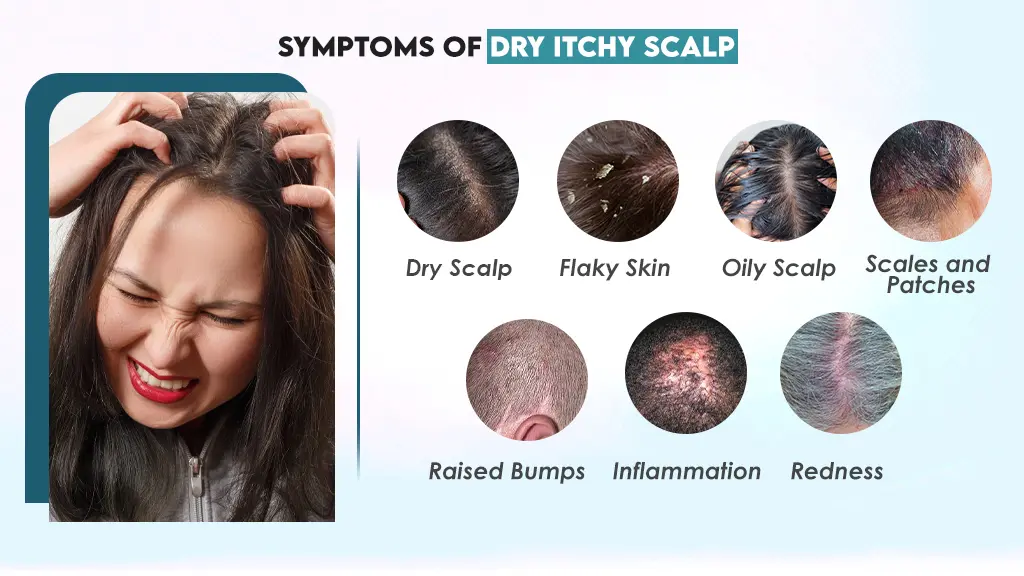
Itching, flaking, dryness, redness, and sensitivity can appear in several different conditions, including dry scalp, dandruff, eczema, seborrhoeic dermatitis, and scalp psoriasis. Because of this overlap, it’s easy to try product after product without seeing real improvement.
This guide is designed to help you make sense of it all.
Rather than jumping straight to treatments, this hub takes a step-by-step approach.
It explains why the scalp becomes irritated, how to recognise differences between common scalp conditions, and what gentle, supportive care usually helps— without overwhelming you with medical jargon.
Table of Contents
Tap a section to jump down the page.
- Why your scalp feels itchy/dry/flaky
- Scalp eczema
- Seborrhoeic dermatitis
- Scalp psoriasis
- Dry scalp vs dandruff
- What helps / what to avoid
- FAQs
Most importantly, this guide focuses on supporting the scalp, not blaming it.
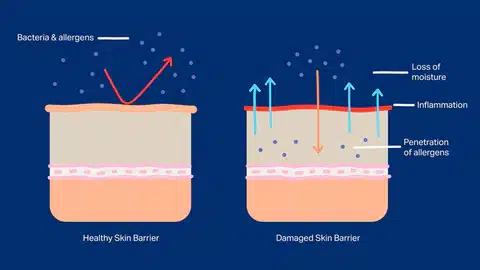
Scalp problems are not caused by poor hygiene, and they are not something you’ve “done wrong”. They are usually linked to a disrupted skin barrier, inflammation, or sensitivity — all of which can be managed with the right understanding and care.
As you move through this hub, you’ll be guided toward the sections most relevant to your symptoms, helping you feel more informed, more confident, and better equipped to take the next step.
Why Your Scalp Feels Itchy, Dry, or Flaky
When your scalp is itchy, dry, or flaky, it’s easy to assume there’s one simple cause.
However, scalp discomfort is rarely caused by just one thing. In most cases, it’s the result of several small factors working together, slowly upsetting the balance of the scalp.

Understanding why your scalp is reacting is the first step toward calming it.
A weakened scalp barrier
The skin on your scalp has a protective barrier, just like the skin on your face or body.
This barrier helps keep moisture in and irritants out.
When that barrier becomes weakened, the scalp loses moisture more easily. As a result, it may feel tight, itchy, or sore. Flaking can follow, even if there is no underlying skin condition.
This type of dryness is very common.
It often worsens in colder months, during periods of stress, or when hair is washed frequently with strong cleansers.
Over-cleansing and harsh hair products
Many people try to fix an itchy scalp by washing more often. Unfortunately, this can sometimes make things worse.
Shampoos that contain strong detergents, heavy fragrance, or aggressive anti-dandruff ingredients can strip the scalp of its natural oils. Over time, this leaves the scalp more sensitive and reactive.
If your scalp feels itchy immediately after washing or becomes worse the day after, this can be a sign that your scalp is being over-cleansed rather than under-treated.
If your scalp feels:
- Itchy after washing → likely sensitivity or over-cleansing
- Greasy with yellow flakes → often seborrhoeic dermatitis
- Dry, tight, powdery flakes → more likely dry scalp
- Thick scale + soreness → consider scalp psoriasis
Also, many people feel intense itching even when the scalp looks clear. If that sounds familiar, see our guide on itchy scalp but no dandruff for common causes and what helps.
If your scalp feels reactive or uncomfortable after washing, using a gentle shampoo for itchy or sensitive scalp can make a noticeable difference over time.
Dryness versus inflammation
Not all flaking is the same.
If you’re unsure whether you’re dealing with dryness or irritation, our guide on dry scalp vs itchy scalp explains the key differences in simple terms.
Some flakes are simply caused by dryness. These are often small, white, and powdery.
Other flakes are linked to inflammation. These may be larger, stick to the scalp, or appear alongside redness and soreness.
Inflammation is often present in conditions such as scalp eczema, seborrhoeic dermatitis, and scalp psoriasis. In these cases, treating dryness alone may not be enough. The scalp also needs to be soothed and protected.
Yeast imbalance on the scalp
The scalp naturally contains yeast as part of its normal skin ecosystem.
For some people, this yeast can multiply too quickly, triggering irritation and flaking.
This is commonly associated with seborrhoeic dermatitis, but it can also overlap with other scalp conditions. Importantly, this does not mean the scalp is “dirty”. It simply means the skin is reacting.
Flare-ups may be worse during periods of stress, illness, or hormonal change.
For a more detailed look at symptoms, triggers, and care, see our dedicated guide to seborrhoeic dermatitis on the scalp.
Stress, hormones, and environmental triggers
The scalp is highly responsive to what’s happening in the body.
Stress, poor sleep, illness, and hormonal changes can all increase inflammation and sensitivity. Many people notice scalp itching during times of anxiety, menopause, or after major life changes.
Environmental factors also matter. Cold weather, indoor heating, hard water, and frequent hat-wearing can all contribute to scalp irritation, particularly in Ireland’s climate.
When itching and hair loss occur together
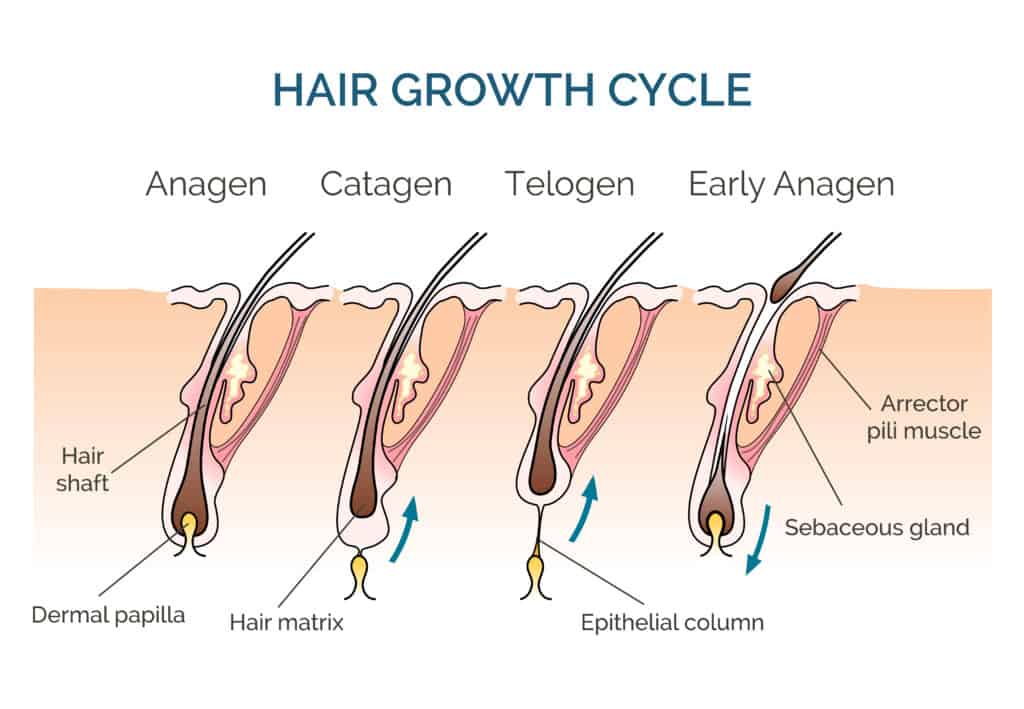
An itchy scalp does not directly cause hair loss.
However, inflammation, constant scratching, and disrupted scalp health can affect the hair growth cycle over time.
If itching and hair shedding are happening together, it’s important to focus on calming the scalp rather than aggressively treating the hair.
Gentle support makes a difference
Regardless of the cause, most irritated scalps benefit from the same foundational approach:
gentle cleansing, minimal irritation, and consistent care.
Avoiding harsh products and supporting the scalp’s natural barrier can make a noticeable difference, even before a specific diagnosis is clear.
If ongoing itch or irritation is affecting your scalp, focusing on gentle, barrier-supporting care can make a real difference.
You can explore suitable options in our Hair & Scalp Treatment range, which is designed for sensitive, easily irritated scalps.
Where this hub goes next
Now that you understand the most common reasons the scalp becomes itchy, dry, or flaky, the next step is to look more closely at specific scalp conditions.
In the next section, we’ll explore how scalp eczema, seborrhoeic dermatitis, and scalp psoriasis differ — and how to recognise which one may be affecting you.
Scalp eczema: what it is and how it feels
Scalp eczema can be uncomfortable, confusing, and at times overwhelming.
For many people, it isn’t just about flakes—it’s the persistent itch, the sensitivity after washing, or the feeling that the scalp is never quite settled.
If you’ve been dealing with ongoing irritation and nothing seems to work, scalp eczema may be part of the picture.
What is scalp eczema?
Scalp eczema is a form of eczema that affects the skin on the scalp.
It’s linked to a weakened skin barrier and inflammation, which makes the scalp more reactive to everyday triggers.
Unlike dandruff, scalp eczema is not caused by poor hygiene.
And unlike psoriasis, it does not usually form thick, well-defined plaques. Instead, it tends to appear as dryness, itchiness, redness, and sensitivity, sometimes with fine flaking.
Both adults and children can suffer from scalp eczema, which often flares up and disappears.
For a broader understanding of eczema, including how it affects different areas of the body, you may find our main eczema guide helpful.
Common symptoms of scalp eczema
| Feature | Scalp Eczema |
|---|---|
| Flakes | Fine, dry |
| Itch | Persistent |
| Redness | Common |
| Sensitivity | High |
| Reaction to products | Often stings |
People experience scalp eczema in different ways, but common signs include:
- Persistent itching or tingling
- Dry or tight-feeling scalp
- Fine white flakes
- Redness or soreness
- Sensitivity after washing or styling
- Burning or stinging when products are applied
In some cases, the eczema may extend beyond the scalp to the hairline, behind the ears, or the back of the neck.
For a deeper look at scalp eczema triggers and management, see our dedicated guide to scalp eczema (coming soon).
What triggers scalp eczema?
| Trigger | What It Does to the Scalp |
| Harsh shampoos | Strip natural oils, weaken barrier |
| Over-washing | Increases dryness and sensitivity |
| Stress | Triggers inflammation and itch |
| Cold weather | Reduces moisture, worsens flaking |
| Fragrance | Common irritant for sensitive scalps |
Scalp eczema is often triggered by irritation rather than infection.
Common triggers include:
- Fragrance in shampoos or styling products
- Harsh cleansing agents
- Frequent washing
- Hair dyes or chemical treatments
- Stress or lack of sleep
- Cold weather and indoor heating
Because the scalp is already sensitive, repeated exposure to these triggers can make symptoms linger or worsen over time.
This section explains how scalp eczema differs from dandruff and psoriasis.
This is where many people get stuck.
Scalp eczema:
- Usually causes fine, dry flakes
- Often feels itchy and sensitive
- May sting when products are applied
Dandruff:
- It’s usually less itchy.
- Often linked to oiliness or yeast
- Responds well to anti-dandruff shampoos
Scalp psoriasis:
- It typically forms a thicker scale.
- May extend beyond the scalp
- Can feel sore as well as itchy
Because symptoms overlap, it’s common to mistreat scalp eczema with strong anti-dandruff products, which can make irritation worse.
Gentle care for scalp eczema
When managing scalp eczema, less is often more.
The goal is to support the scalp barrier, not strip it.
This usually means:
- Using gentle, fragrance-free shampoos
- Avoiding aggressive scrubbing
- Limiting styling products
- Being consistent rather than reactive
Conditioning the scalp can also help reduce dryness and itch, especially if hair feels brittle or uncomfortable after washing.
If you suspect seborrhoeic dermatitis, this quick guide explains how to choose the right shampoo for seborrhoeic dermatitis without over-stripping or irritating your scalp.
Supporting flare-ups between washes
During flare-ups, the scalp may feel uncomfortable even when hair isn’t being washed.
In these moments, soothing treatments designed to calm irritation can be helpful as part of a supportive routine.
These should be gentle, non-greasy, and easy to use without disturbing the scalp further.
When to seek further advice
If scalp eczema is severe, painful, or spreading beyond the scalp, it’s important to seek advice from a GP or dermatologist. Prescription treatments may be needed during more intense flares.
However, many people discover that reducing irritation and minimising triggers gradually makes managing the scalp easier.
Where this hub goes next
Scalp eczema is just one possible cause of an itchy, flaky scalp.
In the next section, we’ll look at seborrhoeic dermatitis on the scalp, a condition that can look similar but behaves quite differently.
Seborrhoeic Dermatitis on the Scalp— Understanding Persistent Flaking and Redness
Seborrhoeic dermatitis of the scalp is one of the most common—and misunderstood— causes of ongoing flaking and irritation.
For many people, it’s not just about visible flakes. It’s the combination of itching, redness, and recurring flare-ups that makes the condition difficult to live with.
If your scalp feels uncomfortable no matter what you try, seborrhoeic dermatitis may be a factor.
What is seborrhoeic dermatitis?
Seborrhoeic dermatitis is a chronic inflammatory skin condition that affects areas rich in oil glands, including the scalp. It’s linked to an overreaction in the skin to a naturally occurring yeast that lives on the scalp.
This phenomenon is important to understand:
Seborrhoeic dermatitis is not caused by poor hygiene, and it is not contagious.
The condition tends to flare and settle in cycles. Some people experience mild flaking, while others deal with persistent redness, itching, and greasy scale.
Common symptoms of seborrhoeic dermatitis on the scalp
Seborrhoeic dermatitis can look different from person to person, but typical signs include:
- Yellowish or white flakes
- Greasy or waxy scale
- Redness beneath the flakes
- Persistent itch
- Soreness during flare-ups
The condition may also affect areas beyond the scalp, such as the hairline, eyebrows, sides of the nose, ears, or behind the ears.
Why seborrhoeic dermatitis keeps coming back
One of the most frustrating aspects of seborrhoeic dermatitis is that it often returns.
This happens because the underlying sensitivity of the skin remains, even when symptoms improve. Triggers such as stress, illness, hormonal changes, cold weather, and lack of sleep can all contribute to flare-ups.
Harsh shampoos and aggressive scrubbing may temporarily reduce flakes, but they can also irritate the scalp further, leading to a cycle of short-term relief followed by worsening symptoms.
Seborrhoeic dermatitis is often confused with both dandruff and scalp eczema.
Seborrhoeic dermatitis is often confused with both dandruff and scalp eczema.
- Dandruff is usually milder and less inflammatory.
- Scalp eczema tends to be drier and more sensitive.
- Seborrhoeic dermatitis often involves redness, oiliness, and recurring flares.
| Feature | Scalp Eczema | Seborrhoeic Dermatitis |
|---|---|---|
| Flakes | Dry, fine | Greasy or yellow |
| Redness | Mild–moderate | Often pronounced |
| Cause | Barrier damage + inflammation | Yeast + inflammation |
| Pattern | Variable | Recurrent flare-ups |
| Reaction to harsh shampoos | Often worsens | Temporary improvement, then rebound |
Because of this overlap, it’s common for people to use treatments that are either too harsh or not suitable for their scalp’s needs.
Managing seborrhoeic dermatitis gently
Managing seborrhoeic dermatitis is often about balance rather than elimination.
While medicated shampoos may be recommended during flare-ups, many people benefit from using gentle, non-irritating scalp care between treatments to help reduce sensitivity and support the skin barrier.

This approach can make flare-ups less intense and easier to manage over time.
Soothing the scalp during flare-ups
During active flare-ups, the scalp can feel sore, inflamed, and unsettled even between washes. Applying a calming, leave-on treatment may help ease discomfort without further irritation.
These treatments should focus on soothing and hydration rather than stripping or exfoliating the scalp.
Between washes, the scalp may still feel itchy, tight, or inflamed. In these situations, a lightweight leave-on treatment designed to calm irritation can help support the scalp without further disruption.
There may be times when seeking medical advice becomes necessary.
If seborrhoeic dermatitis is severe, widespread, or not responding to gentle care, a GP or dermatologist may recommend prescription treatments to reduce inflammation or yeast activity.
However, long-term management often still relies on maintaining a gentle, supportive routine once flare-ups are under control.
Where this hub goes next
Seborrhoeic dermatitis is just one cause of an itchy, flaky scalp.
In the next section, we’ll explore scalp psoriasis, including how to recognise it and why it requires a slightly different approach.
Scalp Psoriasis—When Flaking Is Thick, Persistent, and Sore
Scalp psoriasis can be particularly distressing.
For many people, it’s not just about flakes or itching — it’s the thickness of the scale, the soreness underneath, and the fear of making things worse by touching it at all.
If your scalp feels painful, tight, or constantly inflamed, and flakes seem thicker or more stubborn than usual, scalp psoriasis may be the cause.
What is scalp psoriasis?
Scalp psoriasis is a chronic inflammatory skin condition linked to an overactive immune response.
It causes skin cells to build up too quickly, leading to thickened patches of scale on the scalp.
These patches can appear anywhere on the scalp and may extend beyond the hairline onto the forehead, behind the ears, or down the back of the neck.
Scalp psoriasis is not contagious.
It is also not caused by hair products, stress alone, or poor hygiene — although these factors can influence flare-ups.
Common symptoms of scalp psoriasis
Scalp psoriasis can vary in severity, but common signs include:
- Thick, silvery-white or grey scale
- Red or inflamed skin beneath the scale
- Persistent itching
- Soreness or burning
- Tightness of the scalp
- Flakes that cling to hair rather than brushing away easily
For some people, scalp psoriasis is mild.
For others, it can be widespread and very uncomfortable.
Why scalp psoriasis behaves differently
| Feature | Psoriasis | Dermatitis | Dry Scalp |
|---|---|---|---|
| Scale | Thick, layered | Greasy flakes | Fine flakes |
| Soreness | Common | Possible | Rare |
| Hairline spread | Common | Sometimes | No |
| Inflammation | High | Moderate | Low |
Unlike dandruff or eczema, scalp psoriasis is driven by immune-related inflammation rather than dryness or irritation alone.
Because of this, simply treating flakes is rarely enough. Aggressive exfoliation, picking, or scraping may temporarily remove scale, but it often leads to increased soreness and rebound flaring.
Many people find themselves stuck in a cycle of:
- Heavy flaking
- Forceful removal
- Increased inflammation
- Rapid return of scale
Breaking this cycle is an important part of managing scalp psoriasis.
Scalp psoriasis and itching
Itch is a very common symptom of scalp psoriasis, and it can be intense.
Scratching may feel relieving in the moment, but it can damage already inflamed skin and worsen symptoms.
Calming inflammation and maintaining a gentle routine is often more effective than trying to “scrub away” flakes.
Hair loss and scalp psoriasis

Scalp psoriasis does not directly cause permanent hair loss.
However, inflammation, scratching, and frequent picking can disrupt hair growth temporarily.
Hair usually regrows once the scalp settles, but this process can take time. Focusing on scalp comfort rather than aggressive treatment is key.
Gentle care alongside medical treatment
Many people with scalp psoriasis use medicated treatments during flare-ups, often under medical guidance. Alongside this, gentle, non-irritating scalp care can help support comfort between treatments.
Such care includes:
- Mild, fragrance-free cleansing
- Avoiding harsh scrubs
- Conditioning the scalp and hair
- Using calming treatments between washes
Supporting the scalp between washes
Between washes, the scalp may still feel tight, sore, or itchy.
Using a soothing leave-on treatment can help reduce discomfort without disturbing scale or irritating the skin further.
These treatments should focus on calming and hydration rather than exfoliation.
When to seek medical advice
If scalp psoriasis is severe, painful, spreading, or affecting your wellbeing, medical advice is important. Prescription treatments can help control inflammation during more intense flares.
Even with medical care, most individuals continue to benefit from maintaining a gentle and supportive scalp routine over the long-term.
Where this hub goes next
Now that we’ve covered scalp eczema, seborrhoeic dermatitis, and scalp psoriasis, the next step is to address one of the biggest areas of confusion: dry scalp, dandruff, and flaking that isn’t linked to an inflammatory condition.
In the next section, we’ll look at how to tell the difference — and why treating the wrong problem often leads to ongoing irritation.
Dry Scalp, Dandruff, and the Confusion Zone

One of the biggest reasons scalp problems linger is simple confusion.
Many people are told they have dandruff when the real issue is dryness, sensitivity, or inflammation. Others treat dry scalp aggressively, only to make irritation worse.
If you’ve tried several shampoos and nothing seems to help for long, this section is especially important.
Dry scalp occurs when the main issue is a lack of moisture.
Dry scalp occurs when the skin on the scalp lacks moisture.
It’s not caused by yeast or infection, and it isn’t inflammatory in the same way as eczema or psoriasis.
Typical signs of dry scalp include:
- Fine, white flakes
- Tightness after washing
- Itching improves with moisturising
- A scalp that feels worse in winter or cold weather
Dry scalp is very common in Ireland due to heating indoors, cold air outside, and frequent hair washing.
Dandruff: flaking with a different cause
Dandruff is often linked to an imbalance of yeast on the scalp.
It tends to produce flakes more consistently, sometimes with mild itch, but usually without significant redness or soreness.
Many anti-dandruff shampoos are designed specifically for this type of flaking. However, these products can be too harsh for people whose scalp problem is dryness or sensitivity rather than dandruff.
This scenario is where misdiagnosis often begins.
| Symptom | Dry Scalp | Dandruff |
|---|---|---|
| Flake type | Small, powdery | Larger, oily |
| Itch | Improves with moisture | Often persistent |
| Redness | Minimal | Sometimes |
| Best approach | Moisture + gentleness | Targeted treatment |
Quick self-check: what does your scalp feel like?
- If flakes are powdery and the scalp feels tight after washing → more like dry scalp
- If flakes are greasy or yellow with redness underneath → more like seborrhoeic dermatitis
- If scale is thick, sore, and extends beyond the hairline → more like scalp psoriasis
- If the scalp stings with products and feels very reactive → more like eczema or sensitivity
Why treatments sometimes make things worse
If dry scalp is mistaken for dandruff, using strong anti-dandruff shampoos can strip the scalp further.
This leads to more dryness, itching, and often more flaking— which looks like worsening dandruff but isn’t.
On the other hand, if seborrhoeic dermatitis or psoriasis is present, treating dryness alone may not be enough to calm inflammation.
This overlap creates what many people experience as a frustrating cycle:
- Try a new product.
- See short-term improvements.
- Symptoms return or worsen
Signs it may be dry scalp rather than dandruff
You may be more likely to be dealing with dry scalps if:
- Flakes are small and powdery.
- The scalp feels tight or uncomfortable after washing.
- Symptoms improve with conditioning.
- Anti-dandruff shampoos sting or irritate
Understanding this difference can prevent months—or even years— of unnecessary irritation.
Gentle support for dry or confused scalps
When the scalp is irritated but the cause isn’t clear, the safest approach is usually gentle, supportive care.
This means:
- Avoiding harsh detergents
- Reducing fragrance exposure
- Washing less aggressively
- Supporting moisture rather than stripping oils
For many people, this approach helps the scalp settle enough to clarify what’s really going on.
Conditioning the scalp can help reduce tightness and dryness, especially for people whose hair feels uncomfortable after washing. A gentle, fragrance-free conditioner designed for sensitive scalps can support comfort without weighing hair down.
When flakes are not a condition at all
Sometimes, flaking is temporary.
Weather changes, stress, illness, or a change in hair products can all cause short-term scalp dryness.
In these cases, simplifying your routine and giving the scalp time to recover can be more effective than constantly switching treatments.
Where this hub goes next
After distinguishing between dryness, dandruff, and inflammation, the next step involves comprehending what effectively alleviates the problem and what frequently exacerbates it.
In the final section, we’ll look at practical next steps, gentle routines, and when to seek further advice.
What Helps, What to Avoid, and Next Steps
| Helps the Scalp | Often Makes It Worse |
|---|---|
| Gentle shampoo | Harsh anti-dandruff use |
| Fragrance-free care | Essential oils |
| Consistency | Constant product switching |
| Soothing treatments | Scrubbing or picking |
When you’ve been dealing with an itchy, dry, or flaky scalp for a long time, it’s easy to feel unsure about what to do next.
The good news is that, regardless of the underlying cause, most scalps improve when irritation is reduced and the skin barrier is supported.
This section focuses on what generally helps, what often makes things worse, and how to move forward with more confidence.
What usually helps an irritated scalp?
While each condition is different, many people notice improvements when they focus on calming and consistency, rather than aggressive treatment.
Helpful habits often include:
- Using gentle, fragrance-free hair care
- Washing the scalp without scrubbing or scratching
- Being consistent with routines rather than switching products frequently
- Conditioning the scalp and hair to reduce tightness
- Allow flare-ups time to settle.
Supporting the scalp barrier helps reduce sensitivity and makes flare-ups easier to manage over time. For people experiencing ongoing scalp dryness or tightness, a lightweight, fragrance-free leave-on scalp treatment can help support comfort between washes.

What commonly makes scalp problems worse?
Many well-meaning treatments can accidentally increase irritation.
These include:
- Frequent switching between products
- Harsh anti-dandruff shampoos used long-term
- Strong fragrance or essential oils
- Aggressive exfoliation or scraping
- Over-washing during flare-ups
If a product causes stinging, burning, or worsening itch, it’s often a sign the scalp needs less intervention, not more.
Managing flare-ups versus maintenance
One of the most helpful mindset shifts is understanding the difference between flare-up care and maintenance care.
During flare-ups:
- Keep routines simple
- Avoid new or harsh products
- Focus on calming and soothing
Between flare-ups:
- Maintain a gentle routine
- Support moisture
- Reduce known triggers
This approach helps prevent the “boom and bust” cycle many people experience with scalp conditions.
When home care is enough—and when it isn’t.
Mild to moderate scalp issues often improve with gentle care and time.
However, medical advice should be sought if:
- The scalp is painful, cracked, or bleeding.
- Symptoms are spreading beyond the scalp.
- The thick scale, or redness, is worsening.
- It’s affecting sleep or wellbeing.
A GP or dermatologist can help confirm a diagnosis and, if needed, prescribe treatments for short-term control.
For guidance on when to seek medical advice, see the dermatology guidance.
Choosing supportive scalp care long-term
Long-term scalp comfort usually comes from support, not suppression.
Once irritation settles, maintaining the scalp with gentle cleansing and conditioning can reduce the frequency and intensity of flare-ups.
Conditioning the scalp is particularly helpful for people whose hair feels dry, brittle, or uncomfortable after washing.
Bringing it all together
An itchy, dry, or flaky scalp can feel overwhelming — especially when symptoms overlap and advice feels conflicting.
But understanding what’s happening beneath the surface makes a real difference.
By identifying whether dryness, inflammation, or a specific condition is involved, and by choosing gentle, supportive care, many people find their scalp becomes calmer, more comfortable, and easier to manage over time.
You don’t need to fix everything at once.
Small, consistent changes are often the most effective.
This guide is part of our wider scalp and skin health library, created to help you understand symptoms clearly and choose care that supports — rather than overwhelms — sensitive skin.
Frequently Asked Questions About Itchy, Dry, and Flaky Scalp
Is an itchy, flaky scalp always dandruff?
No. An itchy or flaky scalp is often assumed to be dandruff, but that isn’t always the case. Dry scalp, eczema, seborrhoeic dermatitis, and scalp psoriasis can all cause flaking and itching. Each has a different underlying cause, which is why treatments don’t always work if the condition hasn’t been identified correctly.
What is the difference between dry scalp and scalp eczema?
Dry scalp is usually caused by a lack of moisture and tends to improve with gentle cleansing and conditioning. Scalp eczema, on the other hand, involves inflammation and a weakened skin barrier. It is often itchier and more sensitive and can sting when products are applied.
Can seborrhoeic dermatitis affect the scalp?
Yes. Seborrhoeic dermatitis commonly affects the scalp and is linked to an inflammatory reaction to natural yeast on the skin. This condition often results in redness, itching, and either flaky or greasy scales, and it may occur in intermittent flare-ups.
How do I know if I have scalp psoriasis?
Scalp psoriasis often causes thicker, more stubborn scale than dandruff or dry scalp. The skin underneath may be red, sore, or inflamed, and flakes may extend beyond the hairline or behind the ears. A GP or dermatologist can help confirm the diagnosis if symptoms are severe or persistent.
Can an itchy scalp cause hair loss?
An itchy scalp does not usually cause permanent hair loss. However, inflammation, frequent scratching, and ongoing irritation can disrupt the hair growth cycle temporarily. Hair often regrows once the scalp becomes calmer and healthier.
Should I wash my hair more or less if my scalp is itchy?
This depends on the cause of the itching. Over-washing with harsh shampoos can worsen dryness and irritation, while gentle, consistent cleansing can help maintain scalp balance. Scrubbing or aggressively exfoliating the scalp is generally best avoided.
Are anti-dandruff shampoos always the best solution?
Not always. Anti-dandruff shampoos can be beneficial for dandruff or seborrhoeic dermatitis, but they may exacerbate dryness or sensitivity if the underlying scalp issue is eczema or a dry scalp. If a shampoo causes stinging or increased itching, it may not be suitable for your scalp.
When should I see a GP or dermatologist about my scalp?
You should seek medical advice if your scalp is painful, cracked, bleeding, spreading beyond the scalp, or affecting your sleep or wellbeing. Medical treatment may be needed during more severe flare-ups.