
Dyshidrotic Eczema: Causes, Symptoms, and Effective Treatments
What is Dyshidrotic Eczema?
Dyshidrotic eczema is a form of eczema that primarily affects the hands and feet. It is sometimes referred to as pompholyx, a term used to describe its distinctive blister-based appearance. This condition can be particularly distressing because it affects parts of the body that are used constantly in everyday life, making symptoms difficult to ignore or avoid.
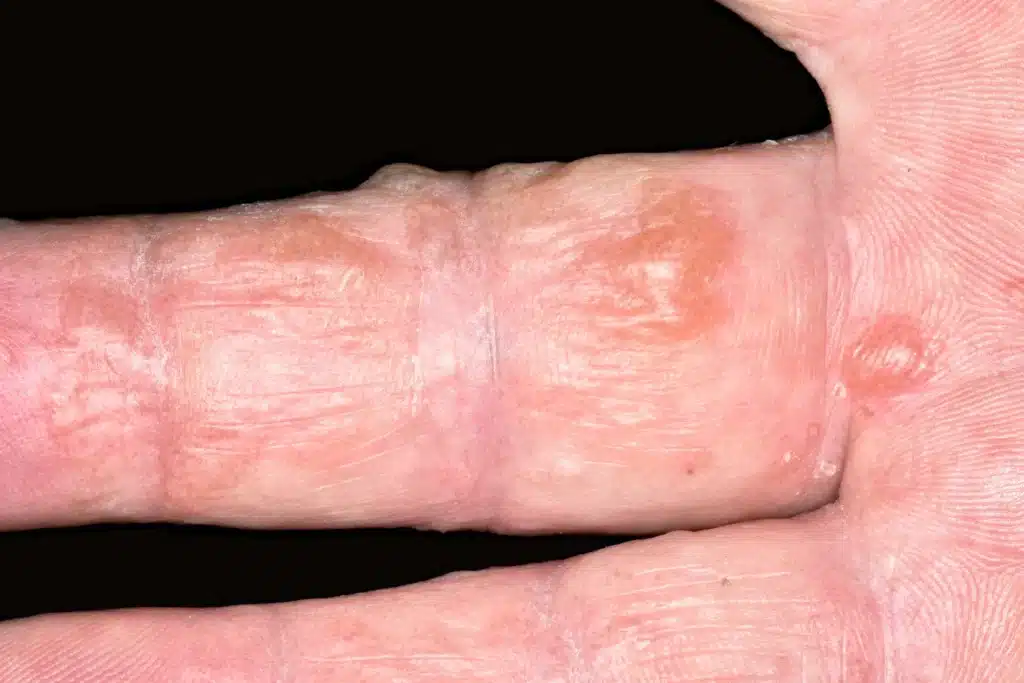
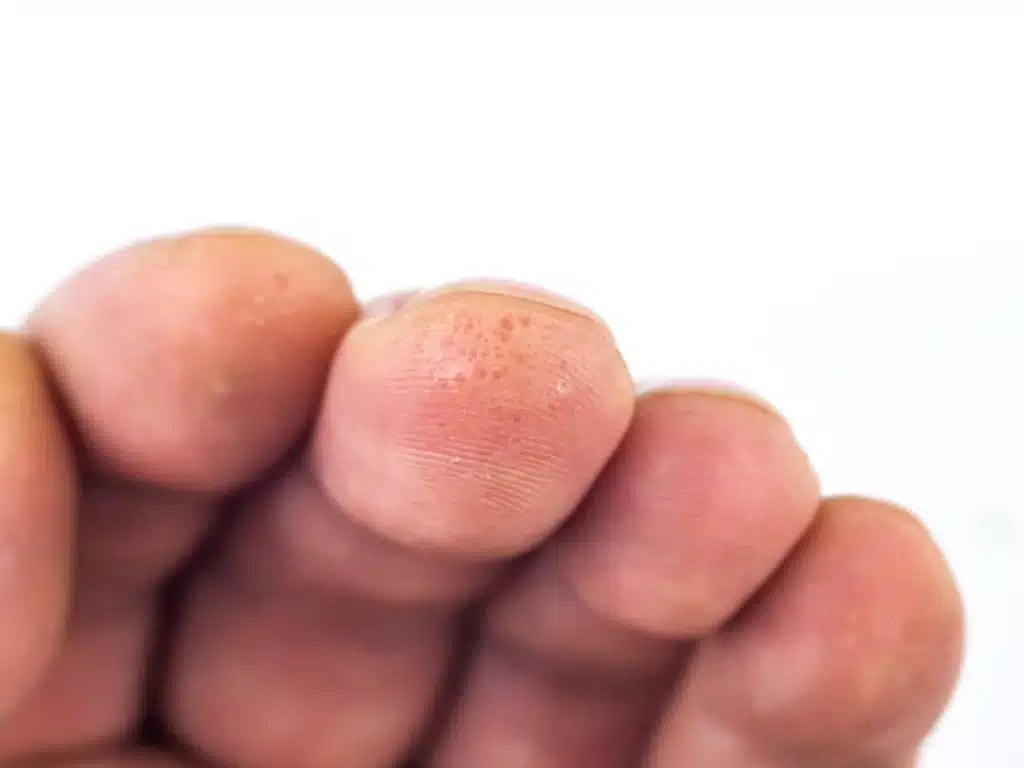
People with dyshidrotic eczema often experience sudden flare-ups that seem to appear without warning. Small, fluid-filled blisters develop on the palms, sides of the fingers, soles of the feet, or toes. These blisters are usually deep-seated, meaning they form beneath the surface of the skin rather than breaking immediately. They are often extremely itchy and may be accompanied by sensations such as burning, tingling, or tightness in the skin.
As a flare-up develops, blisters may cluster together or spread across a wider area. Over time, they typically dry out, peel, or crack, leaving the skin sore, fragile, and vulnerable. During this healing phase, the skin can feel tight and uncomfortable, and may be prone to further irritation if exposed to triggers too soon. This cycle of blistering, drying, and peeling is characteristic of dyshidrotic eczema and may repeat over weeks or months.
Although dyshidrotic eczema is not contagious, it can have a significant impact on quality of life. When the hands are affected, everyday activities such as working, cooking, cleaning, childcare, or personal hygiene can become uncomfortable or painful. Tasks that involve gripping, repeated hand movement, or contact with water may worsen symptoms. When the feet are involved, walking or standing for long periods may be difficult, particularly if the skin cracks or blisters burst.
For a broader overview of eczema types, triggers, and management, see our main eczema guide.

Table of Contents (Just click on the links below)
- What is dyshidrotic eczema (pompholyx)?
- Symptoms and what flare-ups look like
- Causes, triggers, and the role of the skin barrier
- Dyshidrotic eczema compared with other skin conditions
- Treatment options for dyshidrotic eczema
- Daily routine and flare-up prevention
- When to see a GP or dermatologist
- Conclusion
Quick summary
- Dyshidrotic eczema (pompholyx) causes itchy blisters on hands/feet
- Triggers often include sweat, stress, irritants and allergies
- Treatment focuses on barrier repair and calming inflammation
- See a GP if there’s pain, infection, severe cracking, or frequent flares
Symptoms and what flare-ups look like
Because symptoms often affect visible and functional areas, dyshidrotic eczema can also take an emotional toll. Some people feel frustrated by the unpredictable nature of flare-ups, while others experience embarrassment or self-consciousness, especially during more severe outbreaks. Over time, repeated flare-ups may affect confidence and overall wellbeing, particularly if symptoms interfere with work or daily routines.
Dyshidrotic eczema is generally considered a chronic condition, meaning it tends to come and go rather than resolve completely. Some individuals experience mild, infrequent flare-ups that settle within a short period, while others deal with more persistent or severe symptoms. The pattern can vary widely from person to person. Flare-ups may occur seasonally, during periods of stress, or seemingly at random, which can make long-term management feel uncertain.
| Stage | What it looks/feels like | What to do (gentle) |
| Early warning | Tingling, itching, tight skin | Moisturise more often, reduce irritants |
| Blister phase | Small deep blisters, very itchy | Don’t pop, protect skin, cool compress |
| Drying phase | Blisters dry, skin roughens | Thicker emollient, avoid friction |
| Peeling/cracking | Flaking, splits, tenderness | Barrier support, cover cracks if needed |
| Calm phase | Looks better but still fragile | Keep routine consistent |
In many cases, dyshidrotic eczema occurs alongside other forms of eczema or sensitive skin. People with a history of atopic eczema, contact dermatitis, allergies, or asthma may be more prone to developing dyshidrotic eczema, although it can also occur in people without any known skin conditions. The presence of sensitive or reactive skin may increase the likelihood of flare-ups when the barrier is compromised.
This guide focuses specifically on dyshidrotic eczema affecting the hands and feet. It explains how the condition typically presents, what commonly triggers flare-ups, how it differs from other skin conditions, and why consistent, gentle care is important for long-term management. Rather than offering quick fixes, the aim is to provide clear, practical information that supports informed decisions about daily skin care.
Understanding dyshidrotic eczema is often the first step toward managing it more effectively. While there is no single cure, many people find that learning how their skin responds — and adjusting routines accordingly — can reduce the severity and frequency of flare-ups. With time, patience, and consistent care, symptoms may become less disruptive and easier to manage as part of everyday life.
Because dyshidrotic eczema is a type of hand eczema for many people, it can help to read our full guide to hand eczema for broader causes, triggers, and daily management tips.
Common features of dyshidrotic eczema include:
- Small, deep-seated blisters on the palms, sides of the fingers, soles of the feet, or toes
- Intense itching, and sometimes burning or stinging sensations
- Blisters that may cluster together, then dry out, peel, or crack as they heal
- Soreness, tenderness, or a tight feeling in the skin during the healing phase
Causes, Triggers, and the Role of the Skin Barrier in Dyshidrotic Eczema
The exact cause of dyshidrotic eczema is not fully understood. Rather than being linked to a single trigger, the condition is widely believed to develop as a result of multiple interacting factors that affect the skin barrier, immune response, and environmental tolerance. This complexity is one reason why dyshidrotic eczema can feel unpredictable and difficult to manage.
Understanding the underlying influences behind dyshidrotic eczema can help explain why flare-ups occur and why certain care approaches focus on prevention and barrier support rather than quick fixes.
Quick comparison table
| Condition | Key difference |
| Dyshidrotic eczema | Deep-seated, very itchy blisters on the hands and/or feet |
| Fungal infection (e.g., athlete’s foot) | Scaling and cracking, often between toes, and may spread in a more predictable pattern |
| Palmoplantar psoriasis | Thickened plaques and painful cracking, usually with less blistering |
The Skin Barrier and Why It Matters
The skin barrier is the outermost layer of the skin and plays a critical protective role. It helps retain moisture within the skin while preventing irritants, allergens, and microbes from penetrating deeper layers. When the barrier is functioning well, the skin remains flexible, resilient, and less reactive.
In dyshidrotic eczema, the skin barrier is often compromised or easily overwhelmed. When this happens, moisture escapes more readily, and the skin becomes dry, fragile, and prone to inflammation. A weakened barrier also allows irritants and allergens to penetrate more easily, which can trigger immune responses and contribute to blister formation.
The hands and feet are particularly vulnerable to barrier disruption. These areas are exposed to frequent washing, friction, pressure, sweating, and changes in temperature. Over time, repeated stress can reduce the skin’s ability to repair itself, increasing the likelihood of flare-ups.
Supporting the skin barrier is therefore central to managing dyshidrotic eczema, even during periods when the skin appears clear.

Genetic and Immune Influences
Some people appear to be more prone to dyshidrotic eczema due to genetic or immune factors. Individuals with a personal or family history of eczema, asthma, hay fever, or other allergic conditions may have a more reactive immune system or a naturally weaker skin barrier.
In these cases, the immune system may respond more strongly to everyday environmental exposures, leading to inflammation within the skin. This heightened sensitivity does not mean flare-ups are inevitable, but it may explain why some people develop dyshidrotic eczema while others do not.
Stress as a Common Trigger
Stress is one of the most commonly reported triggers for dyshidrotic eczema flare-ups. Both emotional and physical stress can influence the immune system and the skin barrier.
During periods of stress, the body releases hormones that may increase inflammation and slow skin repair. Many people notice flare-ups during times of work pressure, illness, lack of sleep, or emotional strain. In some cases, the connection between stress and symptoms becomes clearer over time, particularly when flare-ups follow stressful events.
While stress cannot always be avoided, managing it where possible can form part of a broader approach to reducing flare frequency.
Sweating, Heat, and Moisture
Heat and sweating are frequently associated with dyshidrotic eczema flare-ups, particularly on the hands and feet. Warm weather, physical activity, or wearing occlusive gloves or footwear can trap moisture against the skin.
Sweat itself can act as an irritant, especially when it remains in contact with the skin for prolonged periods. In areas such as the soles of the feet or between the fingers, moisture build-up can weaken the skin barrier and increase inflammation.
Some people find that flare-ups are more common in summer months or during periods of increased sweating, although others may also experience symptoms in cooler conditions.
Contact with Irritants
Repeated contact with irritants is a significant factor in dyshidrotic eczema. Common irritants include:
- Soaps and detergents
- Cleaning products
- Solvents or chemicals
- Fragranced skincare or hand products
Frequent hand washing, while necessary for hygiene, can strip the skin of natural oils if not balanced with adequate moisturising. Over time, this can weaken the barrier and increase susceptibility to flare-ups.
Protecting the skin from unnecessary exposure and choosing gentler alternatives may help reduce irritation.
Allergies and Sensitivities
Some individuals with dyshidrotic eczema have sensitivities to certain substances. Metals such as nickel or cobalt are often mentioned, as are preservatives or fragrances found in personal care products.
In these cases, exposure may trigger flare-ups even when contact is indirect. Patch testing may be recommended in some situations to identify potential allergens, particularly if symptoms are persistent or severe.
Seasonal and Environmental Factors
Seasonal changes can also influence dyshidrotic eczema. Sudden shifts in temperature or humidity may stress the skin barrier, particularly during transitions between seasons.
Cold weather can dry out the skin, increasing cracking and irritation, while warm weather may increase sweating and moisture build-up. Indoor heating during winter months can further reduce humidity, making consistent moisturising essential.
Identifying Personal Triggers
Triggers for dyshidrotic eczema vary widely between individuals. What causes flare-ups in one person may have little effect on another. Keeping a simple record of flare-ups — including stress levels, weather conditions, activities, and products used — can sometimes help identify patterns over time.
Understanding personal triggers allows for more targeted prevention strategies and can reduce the feeling of unpredictability associated with the condition.
Why Triggers Do Not Act Alone
It is important to recognise that triggers rarely act in isolation. Flare-ups often occur when several factors combine, such as stress alongside sweating or irritant exposure alongside a weakened barrier.
This layered interaction explains why dyshidrotic eczema management focuses on overall skin resilience, rather than eliminating a single cause.
Building Long-Term Skin Resilience
Rather than aiming to control every possible trigger, many people focus on strengthening the skin barrier and maintaining gentle, consistent care. Over time, this approach may help reduce the severity and frequency of flare-ups, even when triggers cannot be completely avoided.
Understanding the causes and triggers of dyshidrotic eczema provides a foundation for long-term management and supports more informed decisions about daily skin care and lifestyle adjustments.
Dyshidrotic Eczema Compared with Other Skin Conditions
Dyshidrotic eczema is often confused with other skin conditions that affect the hands and feet. Because symptoms such as itching, redness, blistering, and peeling can overlap with several dermatological conditions, it is not uncommon for people to feel uncertain about what they are dealing with, particularly during early flare-ups.
Understanding how dyshidrotic eczema differs from other common skin conditions can help clarify why symptoms behave the way they do and why certain care approaches are recommended over others.
Dyshidrotic Eczema vs Atopic Eczema
Atopic eczema is the most common form of eczema and usually begins in childhood, although it can persist into adulthood or develop later in life. It often affects areas such as the face, neck, elbows, knees, and wrists. Atopic eczema is closely associated with genetics, allergies, asthma, and hay fever, and is typically characterised by dry, inflamed patches of skin rather than blisters.
Dyshidrotic eczema, by contrast, most often appears in adolescence or adulthood and is largely confined to the hands and feet. While itching and inflammation are common to both conditions, dyshidrotic eczema is defined by its blister-based presentation, with small, deep-seated blisters forming beneath the skin.
It is possible for someone to have both atopic eczema and dyshidrotic eczema at the same time. In these cases, the skin may already be sensitive or barrier-impaired, increasing the likelihood of dyshidrotic flare-ups in response to triggers such as stress or moisture.
Dyshidrotic Eczema vs Contact Dermatitis
Contact dermatitis occurs when the skin reacts directly to an irritant or allergen. This reaction usually develops at the exact site of contact and improves once the offending substance is removed. Common triggers include cleaning products, soaps, fragrances, metals, and certain workplace chemicals.
Dyshidrotic eczema differs in that flare-ups are not always linked to direct skin contact. While irritants can contribute, symptoms may also appear in response to internal or environmental factors such as stress, sweating, or seasonal changes. Blisters may develop even when no new product or exposure can be identified.
In some cases, contact dermatitis and dyshidrotic eczema can overlap. Repeated exposure to irritants may weaken the skin barrier, making it more susceptible to dyshidrotic flare-ups. This overlap can make diagnosis challenging and highlights the importance of gentle, protective skin care.
How the condition is usually diagnosed:
| Clinical examination | A GP or dermatologist examines the skin and looks at the pattern, location, and appearance of the blisters |
| Medical history | You may be asked about flare-ups, triggers, stress, allergies, and any history of eczema or sensitive skin. |
| Patch testing (sometimes) | Patch testing may be used if an allergic trigger such as metals, fragrances, or preservatives is suspected. |
| Skin scraping (sometimes) | A small skin sample may be taken to rule out fungal infections when symptoms are unclear. |
Dyshidrotic Eczema vs Fungal Infections
Symptoms affecting the feet are sometimes mistaken for fungal infections such as athlete’s foot. Fungal infections often cause redness, scaling, cracking, and itching, particularly between the toes or on the soles.
Dyshidrotic eczema, however, is more likely to produce deep-seated blisters accompanied by intense itching. While fungal infections tend to worsen in warm, moist environments and may spread in a predictable pattern, dyshidrotic eczema often follows a cyclical pattern of blistering, drying, and peeling.
Misidentifying dyshidrotic eczema as a fungal infection can delay appropriate care. Antifungal treatments may not improve eczema symptoms and may sometimes increase irritation if the skin barrier is already compromised.
Dyshidrotic Eczema vs Palmoplantar Psoriasis
Palmoplantar psoriasis is another condition that can affect the hands and feet. It often causes thickened, scaly patches of skin that may crack or become painful. Unlike dyshidrotic eczema, psoriasis typically produces well-defined plaques rather than small blisters.
Psoriasis is an autoimmune condition, and while it can be itchy, pain and cracking are often more prominent than intense itching. Nail changes and psoriasis elsewhere on the body may also help distinguish it from dyshidrotic eczema.
Because treatment approaches differ, distinguishing between these conditions is important, particularly if symptoms are persistent or severe.
Dyshidrotic Eczema vs Hand-Foot Skin Reactions
Certain occupational or environmental exposures can cause skin reactions limited to the hands and feet. These may include reactions to prolonged moisture, friction, or chemical exposure.
Dyshidrotic eczema is distinguished by its recurring, blister-based nature and tendency to flare in cycles, often without a clear external cause. While environmental factors may contribute, the condition is usually not resolved simply by avoiding a single exposure.
What Is Pompholyx?
Pompholyx is another name for dyshidrotic eczema and is often used interchangeably by healthcare professionals. The term specifically refers to the blistering nature of the condition.
Pompholyx flare-ups tend to develop suddenly and may recur periodically. Blisters are often deep, extremely itchy, and slow to heal. The cyclical pattern of flare-ups is a defining feature and helps differentiate pompholyx from other skin conditions.
Why Accurate Identification Matters
Correctly identifying dyshidrotic eczema is important for effective management. Treatments that work for fungal infections, psoriasis, or contact dermatitis may not be appropriate for dyshidrotic eczema and can sometimes worsen symptoms.
Understanding how dyshidrotic eczema differs from other conditions helps set realistic expectations and supports a more consistent, barrier-focused approach to care. When symptoms are unclear, persistent, or severe, professional assessment may be needed to confirm the diagnosis and guide management.
Putting Comparisons into Context
While comparisons can help clarify differences, it is important to remember that skin conditions do not always follow textbook patterns. Some people may have overlapping features or more than one condition at the same time.
This is why long-term management of dyshidrotic eczema focuses less on labels and more on supporting the skin barrier, identifying personal triggers, and responding early to changes in symptoms.
Treatment Options for Dyshidrotic Eczema
Dyshidrotic eczema is usually managed through a combination of topical treatments, supportive skin care, and trigger reduction. Because the condition can vary in severity and frequency, treatment plans are often adjusted over time rather than relying on a single approach.
Over-the-Counter Treatments
For mild to moderate flare-ups, non-prescription treatments often focus on supporting the skin barrier and reducing irritation.
These may include:
- Emollient creams and ointments to restore moisture and protect the skin barrier
- Barrier creams to reduce exposure to irritants and moisture
- Soothing preparations designed to calm itching and discomfort
Do’s and Don’ts for Dyshidrotic Eczema (Quick Guide)
| Do | Don’t |
|---|---|
| Moisturise straight after washing (and reapply often) | Pop blisters (this increases infection risk) |
| Use lukewarm water and gentle, fragrance-free cleansers | Scrub, pick, or rub inflamed skin |
| Protect hands during wet work (cleaning, dishes, childcare) | Use fragranced soaps, gels, or harsh detergents |
| Use cool compresses for short-term itch relief | Over-wash or use hot water |
| Keep nails short to reduce skin damage from scratching | Ignore cracking, weeping, or signs of infection |
Thicker ointments are often preferred during active flares, as they provide longer-lasting protection than lighter lotions. Regular application is usually more effective than occasional use.
Dyshidrotic Eczema Treatment Options at a Glance
| Treatment type | What it helps with | When it’s usually used |
|---|---|---|
| Emollients & barrier creams | Dryness, cracking, barrier repair | Daily use, between and during flares |
| Cool compresses & wet soaks | Itching, inflammation | Short-term relief during active flares |
| Prescription topical steroids | Redness, swelling, blister inflammation | Moderate to severe flare-ups |
| Non-steroidal treatments | Ongoing inflammation | When steroids aren’t suitable |
| Trigger avoidance & routines | Preventing future flares | Long-term management |
Wet soaks and cool compresses (short-term comfort)
- Cool compresses may help calm itching during active flare-ups
- Keeping nails short can reduce skin damage from scratching
- Covering cracked skin may help protect vulnerable areas
- Avoid popping blisters, as this increases the risk of infection
Prescription Treatments
For more severe or persistent symptoms, a GP or dermatologist may recommend prescription treatments.
These can include:
- Topical corticosteroids to reduce inflammation during active flare-ups
- Non-steroidal anti-inflammatory creams in cases where steroids are unsuitable
- Short-term treatments aimed at breaking the flare cycle rather than long-term daily use
Prescription treatments are typically used for limited periods and under medical guidance, as overuse can weaken the skin barrier over time.
Managing Infection Risk
When blisters crack or weep, the skin becomes more vulnerable to infection. Signs of infection may include increased redness, swelling, pain, crusting, or discharge. In these cases, medical assessment is important, as additional treatment may be required.
Why Consistency Matters
Treatment is rarely about finding a single “cure”. Instead, managing dyshidrotic eczema involves:
- Treating flare-ups promptly
- Supporting the skin barrier between flares
- Adjusting treatment intensity based on symptoms
Over time, this consistent approach may help reduce flare frequency and severity.
Daily Routine and Flare-Up Prevention
Daily habits play a significant role in managing dyshidrotic eczema. While triggers cannot always be avoided, consistent routines can help protect the skin barrier and reduce flare-ups.
Hand Care Routine
| Time | Hands | Feet |
| Morning | Moisturiser after washing | Breathable socks/shoes |
| During day | Reapply after handwashing | Change socks if sweaty |
| After cleaning | Wash off irritants + moisturise | Air feet if possible |
| Evening | Thicker emollient | Thicker emollient |
| During flare | Protect skin, avoid friction | Avoid tight footwear |
Because hands are frequently exposed to irritants, gentle care is essential.
Helpful habits include:
- Using lukewarm water instead of hot
- Choosing mild, fragrance-free cleansers
- Patting hands dry rather than rubbing
- Applying moisturiser immediately after washing

When possible, wearing protective gloves for cleaning or wet tasks can reduce repeated irritation.
Foot Care Routine
Feet are prone to sweating and friction, which can worsen symptoms.
Supportive steps include:
- Wearing breathable footwear
- Changing socks regularly
- Avoiding tight or occlusive shoes during flare-ups
- Keeping feet clean and dry without over-washing
Allowing feet to air when possible can also help reduce moisture build-up.
Managing Sweat and Heat
Sweating is a common trigger. Strategies may include:
- Taking breaks during physical activity
- Drying hands and feet gently if sweating occurs
- Avoiding prolonged glove or sock use when not necessary
Reducing Irritant Exposure
Limiting contact with harsh products is key:
- Avoid fragranced soaps and skincare
- Use gentle laundry detergents
- Rinse skin thoroughly after contact with cleaning products
Supporting Skin Between Flares
Even when symptoms improve, the skin barrier remains vulnerable. Ongoing moisturising and gentle care can help extend flare-free periods and reduce the severity of future outbreaks.
When to See a GP or Dermatologist
While many people manage dyshidrotic eczema with supportive care, professional advice is important in certain situations.
You should consider seeing a GP or dermatologist if:
- Flare-ups are frequent or worsening
- Symptoms do not improve with basic care
- Blisters become painful, infected, or widespread
- Cracks or sores fail to heal
- The condition is interfering with work, sleep, or daily life

A healthcare professional can:
- Confirm the diagnosis
- Rule out infections or other conditions
- Recommend appropriate prescription treatments
- Consider allergy or patch testing if triggers are unclear
Early assessment can help prevent prolonged discomfort and reduce complications.
NHS guidance on eczema / hand eczema
British Association of Dermatologists (BAD)
Frequently Asked Questions about Dyshidrotic Eczema
Is dyshidrotic eczema contagious?
No. Dyshidrotic eczema is not contagious and cannot be passed from person to person through touch or contact.
What does dyshidrotic eczema look like?
Dyshidrotic eczema usually appears as small, deep-seated blisters on the palms, sides of the fingers, soles of the feet, or toes. The blisters are often very itchy and may dry out, peel, or crack as they heal.
How long do dyshidrotic eczema flare-ups last?
Flare-ups can last from a few weeks to several weeks. In many cases, blisters gradually dry out and peel before the skin heals. The timing varies from person to person.
What triggers dyshidrotic eczema?
Common triggers include stress, sweating, heat, frequent hand washing, contact with irritants, and seasonal changes. Triggers often overlap rather than acting alone.
Should dyshidrotic eczema blisters be popped?
No. Blisters should not be popped, as this increases the risk of infection and can delay healing.
Can dyshidrotic eczema go away permanently?
For some people, symptoms improve over time or occur less frequently. However, dyshidrotic eczema is usually a long-term condition that can flare from time to time, especially when triggers are present.
When should I see a GP or dermatologist?
You should seek medical advice if flare-ups are frequent, painful, infected, not improving with basic care, or interfering with daily life or sleep.
Conclusion
Dyshidrotic eczema can be a challenging condition, particularly because it affects the hands and feet — areas that are essential to daily life. The cycle of blistering, itching, and healing can feel disruptive, unpredictable, and frustrating.
As this guide shows, dyshidrotic eczema is influenced by multiple factors rather than a single cause. A weakened skin barrier, internal triggers such as stress, environmental influences like heat or moisture, and repeated exposure to irritants can all play a role. Because these factors often overlap, long-term management focuses on strengthening the skin rather than chasing individual triggers.
Consistent, gentle care is central to managing symptoms. Supporting the skin barrier, responding early to flare-ups, and maintaining protective routines between flares can help reduce severity over time. Progress is often gradual, and setbacks can occur, but many people find that understanding their skin’s patterns leads to better control and confidence.
While there is no single cure, a well-informed, barrier-focused approach allows dyshidrotic eczema to become more manageable and less disruptive. With patience, consistency, and appropriate support when needed, many people are able to find routines that support calmer, healthier skin.
This page focuses specifically on dyshidrotic eczema of the hands and feet. Related guides on hand eczema, contact dermatitis, and other eczema types link into this hub to provide deeper support where needed.
About the Author and Clinical Perspective
I’m Kieran Corley, founder of Bragan Skincare, and I’ve spent years working closely with people living with chronic and inflammatory skin conditions, including eczema, contact dermatitis, and dyshidrotic eczema affecting the hands and feet.
My work is rooted in real-world experience rather than theory alone. Through direct conversations with customers, long-term product feedback, and ongoing research into skin barrier dysfunction, I’ve seen first-hand how conditions like dyshidrotic eczema can affect daily life — from pain and itching to disrupted sleep, work, and confidence.
Over time, a clear pattern emerges. People struggling with recurrent hand and foot eczema are often dealing with a compromised skin barrier, repeated exposure to irritants, and overlapping triggers such as stress, moisture, and frequent washing. This is why my approach consistently focuses on barrier repair, gentle routines, and long-term skin resilience, rather than quick fixes or aggressive treatments that may worsen sensitivity over time.
Bragan Skincare products are developed with this philosophy in mind. They are fragrance-free, formulated for sensitive and compromised skin, and designed to support the skin barrier during both active flare-ups and calmer periods. Feedback from customers managing conditions such as dyshidrotic eczema continues to inform how we refine formulations and educational content.
While this guide is not a substitute for medical advice, it is built on practical experience, patient education, and evidence-aligned skin care principles. My goal is to help people better understand what is happening in their skin, recognise patterns earlier, and feel more confident in managing their condition alongside appropriate medical support when needed.