
Fast answer:
Perioral dermatitis during pregnancy is a common, non-contagious skin condition.
It is not harmful to your baby.
Flare-ups are often triggered by hormonal changes, skincare products, or steroid creams.
Most cases improve with gentle, pregnancy-safe skincare and avoidance of irritants.
Quick reassurance (pregnancy-safe)
Perioral dermatitis during pregnancy can feel worrying. The good news is that it is usually manageable and not dangerous. It does not harm your baby and it is not contagious.
- Often triggered by hormones, heavy skincare, or steroid creams on the face
- A simplified, gentle routine is usually best
- If symptoms persist, your GP or midwife can recommend pregnancy-safe options
Is Perioral Dermatitis Dangerous During Pregnancy?
Perioral dermatitis during pregnancy is not dangerous.
It is a common inflammatory skin condition that affects the area around the mouth, nose, or chin. While it can look uncomfortable and feel upsetting, it does not pose a risk to your pregnancy and is not a sign of infection or illness.
Flare-ups during pregnancy are often linked to hormonal changes or skin becoming more reactive than usual.
Can Perioral Dermatitis Harm My Baby?
No. Perioral dermatitis cannot harm your baby.
It is a surface skin condition and is not contagious. It does not enter the bloodstream and does not affect fetal development.
Although the appearance can be distressing, especially during pregnancy, the condition is limited to the skin and does not impact your baby’s health.
Is It Safe to Treat Perioral Dermatitis While Pregnant?
Yes — perioral dermatitis can usually be managed safely during pregnancy.
Treatment typically focuses on gentle skincare, avoiding irritants, and supporting the skin barrier rather than using strong or medicated products.
In many cases, symptoms improve by simplifying routines and using fragrance-free, non-medicated creams. If symptoms are persistent or severe, a GP or dermatologist can recommend pregnancy-appropriate options.
Managing perioral dermatitis safely in pregnancy
Today (next 24 hours)
- Pause steroid creams on the face unless prescribed and reviewed by your GP
- Simplify your routine to a gentle cleanser and fragrance-free moisturiser
- Avoid heavy creams, exfoliants, and active ingredients
This week
- If not improving, speak to your GP or midwife
- Ask specifically about pregnancy-safe treatment options
- Avoid self-prescribing medicated creams
If you’d like a full breakdown of pregnancy-safe treatment options, including what doctors may prescribe, read our complete perioral dermatitis treatment guide here.
Pregnancy can cause women to become more vulnerable to various conditions, including perioral dermatitis.
Perioral dermatitis is also known as periodermatitis, peridermal dermatitis, periorificial dermatitis, and facial dermatitis. It is marked by red, flaky patches around the mouth, but may also occur around the eyes, nose, cheeks, or jawline. This skin condition is prevalent but often misinterpreted and can be confused with other dermatological problems. This article will explore perioral dermatitis in pregnant women, focusing on causes and triggers, symptoms and treatment options.
We do have a specific larger post dedicated to perioral dermatitis.
Not sure what to do next?
Depending on your symptoms, one of these paths may help:
Mild flare and want to calm it at home?
If your symptoms are light and recent, a simplified pregnancy-safe routine may be enough to settle irritation.
Recurring or unsure what triggered it?
Hormones, steroid creams, and certain skincare products can all play a role.
Not improving or feeling anxious?
If your skin is worsening or not settling, it’s reasonable to seek medical guidance.
Perioral Dermatitis in Pregnancy: Causes and Triggers
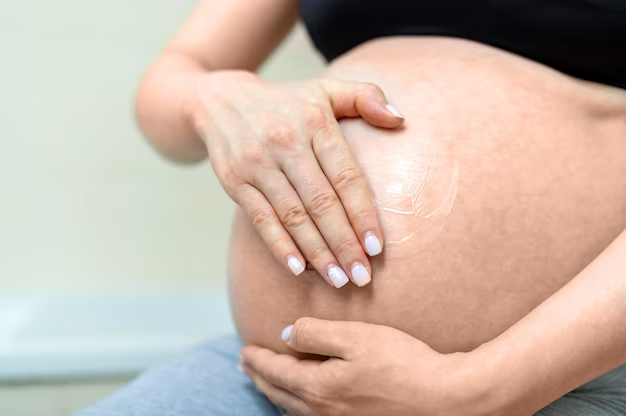
The most common causes of perioral dermatitis include steroid creams, skincare products, Some women choose to support this approach with a fragrance-free, pregnancy-safe moisturiser designed to help protect the skin barrier. Alongside these contributing factors there are additional reasons why perioral dermatitis may flare up during pregnancy:
Hormonal Changes
Estrogen and progesterone levels can fluctuate drastically during pregnancy. This causes the skin to become more prone to irritation due to increased oil production and a diminished inflammatory response. Hormonal perioral dermatitis flare-ups can result, which may be prolonged and persistent due to constant shifting of hormones during pregnancy
Stress
Rising cortisol levels are common during pregnancy. These can be caused by physical changes to the body and lifestyle adjustments, such as weight gain, lack of sleep and health anxiety. Stress disrupts the skin’s natural healing process and makes breakouts of perioral dermatitis in pregnancy more persistent as the skin barrier is weakened.
Increased Skin Sensitivity
The skin’s protective barrier is compromised during pregnancy due to disruptions in the skin’s microbiome. This helps protect the skin against harmful bacteria and inflammation. Erosion of the microbiome can also cause pregnant women to become more sensitive to skincare products which can cause irritation. The skin requires a healthy microbiome to heal correctly after exposure to harsh ingredients
Topical Steroid Withdrawal
Some pregnant women may have used topical steroid creams – such as hydrocortisone cream, to solve skin conditions prior to pregnancy. Many women stop using steroid creams during pregnancy for safety concerns. The sudden discontinuation of these products can lead to inflammation and worsening of perioral dermatitis symptoms while the skin is adjusting.
Change of Skin Routine
Many women switch to pregnancy safe skincare products to avoid harsh ingredients. This shift can cause reactions due to disruption to the skin, barrier damage and an increase in sensitivity. Our skincare range is a pregnancy safe option for women which harnesses the power of snail mucin to perform gently on the skin, therefore, making the transition in skincare routine less likely to cause irritation
Perioral Dermatitis Symptoms and Diagnosis
The main symptoms of perioral dermatitis include:
- Red rash around the mouth
- Burning or itching sensation
- Feeling of tightness in the skin
- Vesicles (clear, fluid filled bumps)
- Pustules (white, fluid filled bumps)
Perioral dermatitis can be easily confused with other skin conditions such as acne, rosacea and lupus due to its rash-like appearance and bumps. This is why it is imperative to visit a doctor or dermatologist to ensure the correct diagnosis of the treatment as self-medicated treatments without a correct diagnosis may cause more irritation to the skin. Pregnant women should consult medical help if they suspect they have perioral dermatitis as soon as possible to ensure their symptoms do not worsen.

Pregnancy safety note:
Many common perioral dermatitis treatments are not suitable during pregnancy.
Gentle, fragrance-free moisturisers are commonly recommended during pregnancy to support the skin barrier without triggering flare-ups.
If your skin is already sensitised, barrier-supporting care matters. Many people find a fragrance-free, pregnancy-safe moisturiser helps reduce irritation while the skin recovers.
Safe Treatment of Perioral Dermatitis in Pregnancy
For many people, perioral dermatitis settles during pregnancy with gentle, non-medicated skincare support and time.
If symptoms continue or worsen, a healthcare professional can help guide you toward options that are suitable during pregnancy.
If you’re unsure, a GP or dermatologist can confirm the diagnosis and rule out other pregnancy-related skin conditions.
During pregnancy, it’s especially important to keep skincare simple. Many people find that a fragrance-free, barrier-supporting moisturiser designed for sensitive skin helps calm irritation without overloading the skin.
Supporting your skin barrier during pregnancy
During pregnancy, skin often becomes more reactive and sensitive than usual. For many women, the most helpful approach is not strong medication, but gentle, fragrance-free skincare that supports the skin barrier.
When choosing products:
- Avoid heavy occlusive creams around the mouth
- Avoid active ingredients such as retinoids or strong exfoliants
- Choose simple, fragrance-free formulations
- Patch test any new product first
If your GP or midwife is happy with your skincare routine, you may wish to explore gentle barrier-supporting moisturisers designed for sensitive skin.
→ See gentle skincare options for sensitive, reactive skin here.
Conclusion
Perioral dermatitis can be a difficult condition for pregnant women to manage on top of other pregnancy symptoms they may be experiencing. Understanding triggers and symptoms can ensure the condition is treated correctly and not misinterpreted as another skin disorder. As medical treatments are limited in pregnancy, natural alternatives offer a safe and effective solution. Bragan Skincare’s atopic cream is a pregnancy-safe option to relieve inflammation, repair the skin barrier and soothe irritation. By choosing a natural, gentle remedy for perioral dermatitis, expectant mothers can maintain healthy and rash-free skin throughout their pregnancy.
Related articles:
Natural Remedies for Dermatitis on the Face
Additional Information
The Primary Care Dermatology Society provides additional guidance on skin conditions affecting women during pregnancy.