
Skin reactions can be confusing. Especially when redness, itching, or soreness appears suddenly.
Two of the most common causes are irritant contact dermatitis and allergic contact dermatitis. They often look similar. However, they are not the same.
Understanding the difference matters. Because triggers, prevention, and recovery can vary.
This guide explains both types in simple terms. It helps you understand what may be happening on your skin.
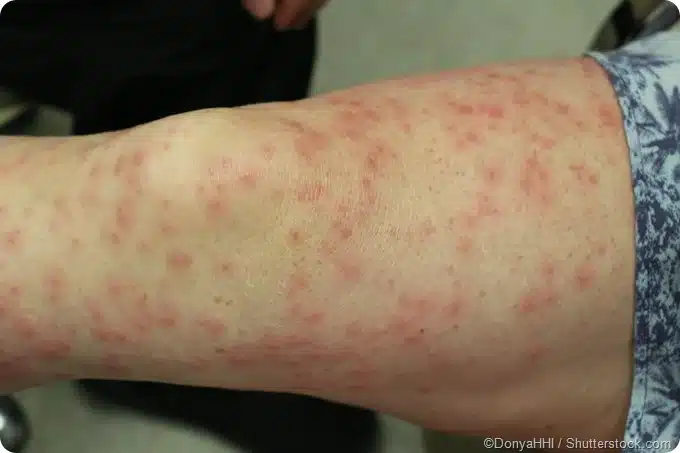
What Is Contact Dermatitis?
Contact dermatitis is a type of skin inflammation. It happens when the skin reacts to something it touches.
This reaction can cause:
- Redness
- Itching
- Dry or cracked skin
- Burning or stinging
- Sometimes blistering or weeping
There are two main types. Irritant contact dermatitis and allergic contact dermatitis.
What Is Irritant Contact Dermatitis?
Irritant contact dermatitis is the most common form.
It happens when something damages the skin barrier directly.
The immune system is not involved.
The skin becomes overwhelmed.
Over time, it becomes inflamed.
Common triggers include:
- Soaps and detergents
- Cleaning products
- Frequent hand washing
- Alcohol-based sanitisers
- Friction or prolonged moisture
Symptoms often:
- Appear quickly
- Stay in the area of contact
- Worsen with repeated exposure
Anyone can develop irritant contact dermatitis.
You do not need to be allergic.
What Is Allergic Contact Dermatitis?
Allergic contact dermatitis works differently.
Here, the immune system does react.
The skin becomes sensitive to a specific substance.
This reaction is often delayed.
Symptoms may appear 12 to 72 hours later.
Common allergens include:
- Fragrances
- Preservatives
- Nickel
- Latex
- Certain plants
Once sensitised, the skin may react again.
Even very small amounts can trigger symptoms.
Key Differences Between Irritant and Allergic Contact Dermatitis
| Feature | Irritant Contact Dermatitis | Allergic Contact Dermatitis |
|---|---|---|
| Main cause | Damage to the skin barrier | Immune system reaction |
| Immune system involved | No | Yes |
| Who can be affected | Anyone | Only people sensitised to the allergen |
| Trigger type | Harsh or repeated exposure | Specific allergen |
| Examples of triggers | Soaps, detergents, cleaning products, frequent washing | Fragrances, preservatives, nickel, latex |
| Speed of reaction | Often appears quickly | Usually delayed (12–72 hours) |
| Reaction pattern | Limited to contact area | May spread beyond contact area |
| Amount needed to react | Depends on strength and frequency | Even very small amounts can trigger |
| Likelihood of recurrence | Linked to repeated exposure | Recurs every time allergen is contacted |
| Commonly affected areas | Hands, face, forearms | Hands, face, eyelids, neck |
Although symptoms overlap, the cause is different.
Irritant Contact Dermatitis
- Caused by skin barrier damage
- Anyone can be affected
- Often appears quickly
- Related to exposure and frequency
- Not immune-driven
Allergic Contact Dermatitis
- Caused by an immune response
- Requires prior sensitisation
- Often delayed onset
- Triggered by specific allergens
- May spread beyond the contact area
Understanding this difference helps guide care.
Why They Can Look the Same
Both types may cause:
- Redness
- Itching or soreness
- Dry or flaky skin
- Cracking or irritation
Because of this, many people feel unsure.
They may describe symptoms as eczema or a general rash.
This confusion is very common.
And it is understandable.

Common Areas Affected
Both forms often affect exposed skin.
Common areas include:
- Hands
- Face
- Neck
- Eyelids
- Forearms
Hands are especially vulnerable.
They are exposed and washed frequently.
How Each Type Is Usually Managed
The first step is identifying the trigger.
Then reducing contact.
For irritant contact dermatitis:
- Limit harsh products
- Reduce repeated exposure
- Support the skin barrier
For allergic contact dermatitis:
- Identify the allergen
- Avoid it completely
- Be cautious with new products
In both cases, gentle care matters.
Skin needs time to recover.
When to Seek Further Advice
Some reactions settle quickly.
Others do not.
You may need advice if:
- Symptoms persist
- The rash spreads
- Skin becomes painful or infected
- The trigger is unclear
Early support can prevent worsening.
It can also protect the skin barrier long term.
You can also read more on the HSE website here: HSE
Frequently Asked Questions: Irritant vs Allergic Contact Dermatitis
What is the main difference between irritant and allergic contact dermatitis? The main difference is how the skin reacts. Irritant contact dermatitis happens when the skin barrier is damaged directly. Allergic contact dermatitis happens when the immune system reacts to a specific substance.
Can anyone get irritant contact dermatitis? Yes. Anyone can develop irritant contact dermatitis if their skin is exposed to harsh or repeated irritation, such as frequent washing or contact with cleaning products.
Does allergic contact dermatitis happen straight away? Not usually. Allergic contact dermatitis often appears 12 to 72 hours after exposure. This delay can make it harder to identify the trigger.
Can irritant and allergic contact dermatitis look the same? Yes. Both can cause redness, itching, dryness, and irritation. Because of this, they are often confused with each other.
Can contact dermatitis spread beyond the area of contact? Irritant contact dermatitis usually stays in the area where the skin was exposed. Allergic contact dermatitis may spread beyond the original contact area.
How is contact dermatitis usually managed? Management usually starts with identifying and avoiding the trigger. Gentle skincare and supporting the skin barrier are also important. If symptoms persist, professional advice may be needed.
Final Takeaway
Irritant and allergic contact dermatitis can look alike. But they are caused by different processes.
Knowing the difference helps you:
- Avoid triggers
- Protect your skin
- Reduce flare-ups
Most importantly, it reassures you. These reactions are common and manageable.